19 Mar
Lhasa Apso Dog Breed Guide: Personality, Care, Grooming and Travel Tips
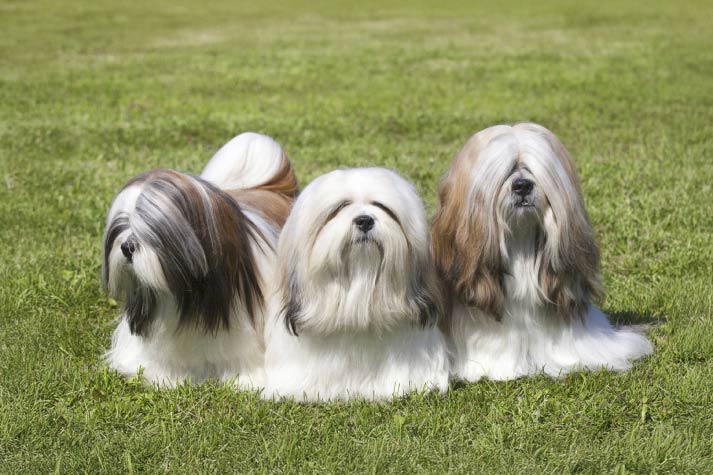
The Lhasa Apso may be small in size, but it carries a personality that feels much bigger. With its long, flowing coat and alert expression, this breed instantly stands out. But beyond its looks, the Lhasa Apso is known for its loyalty, independence, and strong instincts.
Originally bred in Tibetan monasteries as indoor watchdogs, these dogs were trained to observe and alert. That nature still shows today in how they behave at home.
For pet parents, understanding Lhasa Apso dog breed characteristics and care is important before making a decision. This breed is not overly demanding, but it does require the right kind of attention, especially when it comes to grooming, training, and lifestyle.
If you’re someone who values a balanced companion and even plans pet travel, the Lhasa Apso can be a surprisingly good fit.
Key Facts about Lhasa Apso
A quick overview to help you understand the breed better.
| Size | Small (standing 10 to 11 inches tall at the shoulder) |
| Weight | 5 to 8 kg |
| Lifespan | 12 to 15 years |
| Coat Type | Long, dense, low shedding |
| Temperament | Loyal, alert, independent |
While these facts offer a quick glance, the Lhasa Apso has many unique traits that truly define its personality and care needs.
Personality and Temperament
The Lhasa Apso is not your typical “easy going lap dog.” They are deeply loyal to their family but tend to be reserved with strangers. This makes them excellent indoor watchdogs, even in modern homes.
What really stands out is their independence. They enjoy companionship, but they also like having their own space. You won’t always find them following you around the house, and that’s completely normal for this breed.
Because of their strong personality, early socialization is important. When introduced to different people and environments early, they grow into confident and well-balanced dogs.
Lhasa Apso Grooming Needs
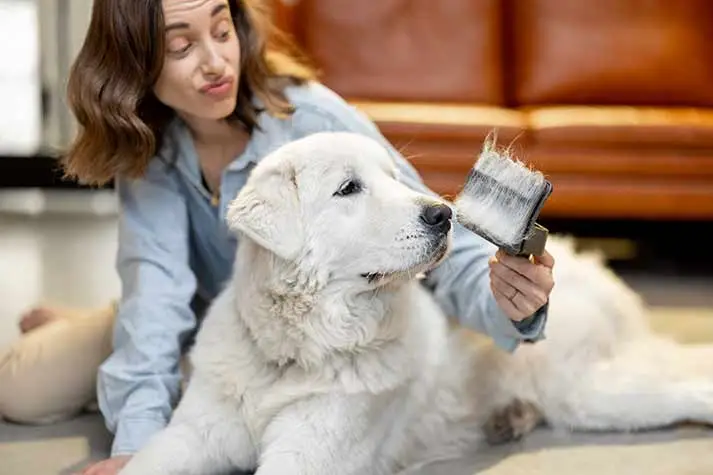
If there’s one area where the Lhasa Apso demands consistency, it’s grooming. Their long coat can easily tangle if not maintained properly. Regular brushing is not optional, it’s part of their routine care.
Instead of thinking of grooming as a task, it helps to see it as bonding time. A few minutes each day can prevent bigger issues later. Many pet parents also prefer keeping the coat shorter. This reduces maintenance and keeps the dog more comfortable, especially in warmer climates.
If you travel frequently or plan to use a pet relocation service, a well-maintained coat ensures your dog stays comfortable during transit.
Diet and Nutrition
Feeding a Lhasa Apso is relatively simple, but portion control matters. They don’t require large meals, and overfeeding can quickly lead to weight gain. A balanced diet with good quality dog food is usually enough to meet their needs.
Consistency is key here. Feeding at the same time every day helps maintain digestion and overall health. Always make sure fresh water is available, especially if your dog has a thick coat that can make them feel warmer.
Exercise Requirements
Lhasa Apsos are not high energy dogs, which makes them ideal for apartment living. They enjoy short walks and light play sessions, but they don’t need intense exercise. Around 20 to 30 minutes of daily activity is usually enough.
Interestingly, they often entertain themselves indoors. A quick burst of play at home can keep them satisfied for the day. This manageable activity level also makes them suitable for pet parents who travel or have busy schedules.
Training and Behaviour
Training a Lhasa Apso requires patience more than anything else. They are intelligent, but they like to think independently. This means they may not always respond instantly to commands.
The best approach is to keep training sessions short and positive. Harsh methods don’t work well with this breed and can make them more stubborn. Consistency matters more than intensity. With time, they learn well and develop good habits.
Health and Common Concerns
Lhasa Apsos are generally healthy, but like all breeds, they can be prone to certain issues. Eye care is important, as their long hair can sometimes cause irritation. Regular cleaning helps prevent discomfort.
They may also experience skin sensitivities or minor joint issues as they age. Routine vet visits and proper grooming go a long way in keeping them healthy. Overall, with the right care, they live long and comfortable lives.
Traveling with a Lhasa Apso
One of the advantages of this breed is how well it adapts to travel. Their small size makes them easier to manage compared to larger dogs. Whether it’s a short trip or a long journey, they adjust well when prepared properly, especially when they are comfortable with crate training, which helps them feel secure in unfamiliar environments.
Keeping their routine consistent during travel helps reduce stress. Familiar items like a blanket or toy can make a big difference. If you're flying, choosing pet friendly airlines that allow pets on board can make the journey smoother and more comfortable for both you and your dog.
For international moves, working with a professional pet relocation service ensures everything, from paperwork to safety, is handled smoothly. With the right planning, pet travel with a Lhasa Apso can be a stress-free experience.
Practical Tips for Lhasa Apso Care
Some simple but effective tips every pet parent should follow:
- Brush their coat regularly to avoid tangles
- Keep the hair around their eyes clean
- Stick to a consistent feeding schedule
- Avoid overfeeding
- Start training early and stay patient
- Give them space, they value independence
- Maintain regular vet check ups
Small habits like these make everyday care much easier.
Conclusion
The Lhasa Apso dog breed characteristics and care highlight a breed that is both unique and rewarding. They are loyal, observant, and adaptable, qualities that make them great companions for the right pet parent.
While they do require consistent grooming and patient training, they offer a strong bond in return. Whether you’re managing daily routines or planning pet travel, understanding your dog’s needs is the key to a happy life together.
With the right care, a Lhasa Apso doesn’t just fit into your home, it becomes an important part of your family.
FREQUENTLY ASKED QUESTIONS &
Is a Lhasa Apso good for first time owners?
Yes, but they require patience. Their grooming needs and independent nature may need some adjustment for new pet parents.
Do Lhasa Apsos shed a lot?
They are low shedding dogs. However, their long coat requires regular brushing to prevent tangles.
Can Lhasa Apso dogs stay alone at home?
They can stay alone for short periods. Still, they need regular interaction and mental stimulation.
Is Lhasa Apso suitable for travel?
Yes, their small size makes them travel friendly. Proper planning or a pet relocation service ensures a smooth experience.
How often should a Lhasa Apso be groomed?
Regular brushing several times a week and professional grooming every 4 to 6 weeks is ideal.




AUTHOR’S BIO
Carry My Pet
Passionate pet enthusiasts and globetrotters, dedicated to easing furry friends' journeys worldwide. Penning tales of compassion at CarryMyPet, where every relocation is a tail-wagging adventure.