16 Apr
Dog Breeds That Need Extra Care in Summer Heat
Indian summers can be tough, and while we can adjust our routine to stay comfortable, our dogs don’t have that flexibility. They rely on us to recognise when the heat is too much for them. What many pet parents don’t realise is that some breeds are far more sensitive to rising temperatures. For these dogs, even a regular summer day can feel overwhelming.
Understanding this early can help you prevent serious health risks and keep your pet safe through the season.
Why Some Dogs Struggle More in Summer
Dogs don’t sweat like humans. They regulate body temperature mainly through panting. When the air is too hot or humid, this natural cooling system becomes less effective. Once a dog’s body temperature crosses 40.5°C, it can lead to heatstroke, which is a serious and life-threatening condition.
Certain breeds struggle more because of:
- Restricted airways
- Thick or heavy coats
- Larger body size
This is why two dogs in the same home can respond very differently to the same weather.
Which Dog Breeds Are Most Sensitive to Heat?
Some dog breeds are naturally more prone to overheating due to their body structure and coat type. Flat-faced breeds like pugs and bulldogs, along with thick coated, large dogs and hairless breeds are among the most heat sensitive and require extra care during summer.
If you’ve explored top dog breeds or are trying to better understand your own pet, here’s a clear breakdown to help you identify where your dog stands.
Flat-Faced or Brachycephalic Breeds
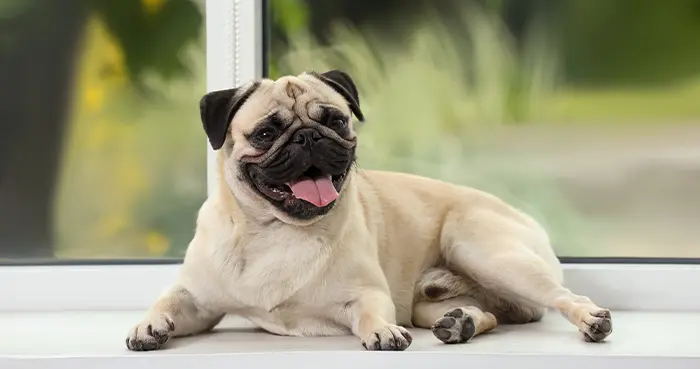
- Pug
- French Bulldog
- English Bulldog
- Shih Tzu
- Boxer
- Boston Terrier
These dogs have shorter airways, which makes it harder for them to cool down through panting. As a result, they tend to overheat much faster than other breeds.
You may notice heavy breathing even after light activity. During summer, it’s important to keep them indoors during peak heat and ensure constant airflow. Extra caution is needed during travel with snub nosed dogs, as confined spaces can trap heat quickly.
It also helps to keep their routine predictable during summer. Sudden bursts of activity or excitement can make them breathe faster, which increases the risk of overheating. Try to keep playtime calm and short, especially indoors.
Thick Double Coated Breeds
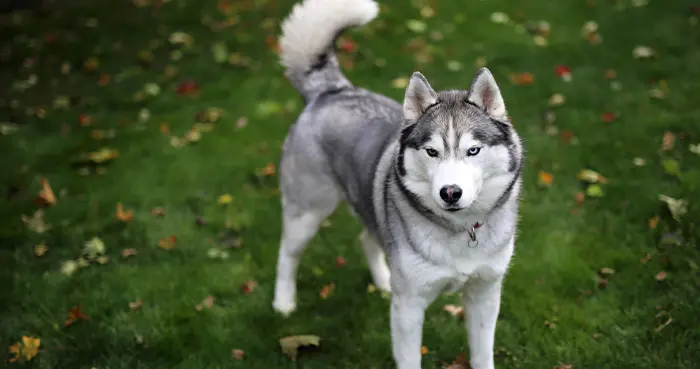
- Siberian Husky
- Alaskan Malamute
- Chow Chow
- Saint Bernard
- Akita
These breeds are built for colder climates. Their dense coats trap heat, making them uncomfortable in high temperatures. Regular brushing helps manage shedding, focus on keeping their environment cool and shaded.
One common mistake is assuming shaving will solve the problem. In reality, their coat also acts as insulation against heat. Instead of removing it completely, focus on regular de-shedding and keeping their skin clean to allow better airflow.
Large & Heavy Breeds
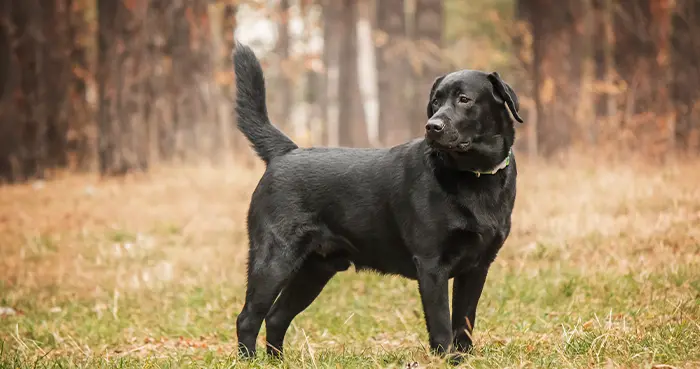
- Labrador Retriever
- Golden Retriever
- German Shepherd
- Great Dane
Larger dogs generate more internal heat and take longer to cool down. You might notice them slowing down during walks or needing more rest. Short walks, proper hydration, and avoiding midday heat can help them stay comfortable.
Long Haired & Heavy Coated Breeds
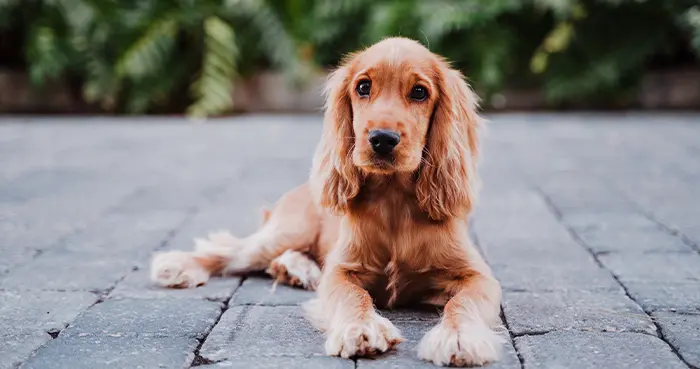
- Cocker Spaniel
- Lhasa Apso
- Afghan Hound
These dogs may struggle in summer if their coat is not maintained properly. Regular grooming and a clean, airy space can help reduce discomfort.
Hairless Dog Breeds
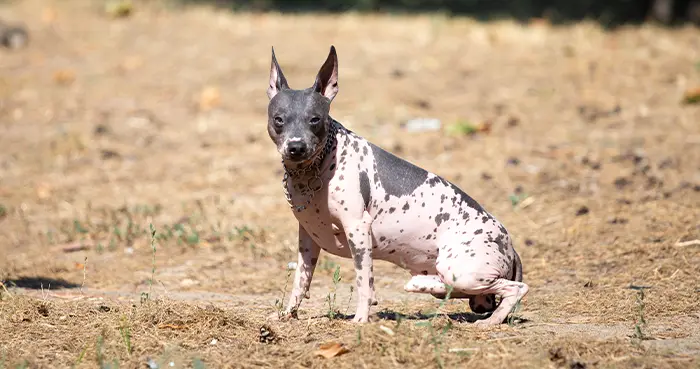
- Chinese Crested
- Xoloitzcuintli
- American Hairless Terrier
While some dogs struggle with trapped heat, hairless breeds face the opposite problem, direct exposure to the sun. Without a protective coat, their skin is more vulnerable to sunburn and irritation. Prolonged exposure can also lead to dehydration.
Limiting time in direct sunlight, especially during peak hours, is important. Pet-safe sunscreen can help protect exposed areas, and light clothing can act as a barrier when outdoors. Keeping them hydrated and indoors during strong sunlight helps prevent discomfort.
Signs Your Dog May Be Overheating
Common signs of overheating in dogs include excessive panting, drooling, weakness, vomiting and difficulty walking.
If these symptoms appear, it’s important to act quickly and move your dog to a cooler environment. Early action can prevent heatstroke from becoming severe.
How to Take Care of Your Dog in Summer
If you’re looking for practical tips to protect your pet, start with small daily changes.
- Walk your dog early in the morning or after sunset, when the ground and air are cooler. Hot pavements can burn their paws within minutes, especially during peak afternoon hours.
- At home, focus on ventilation. A cool, airy space with access to fresh water helps regulate body temperature. Many dogs naturally seek out tiled floors or shaded corners to stay comfortable.
- Hydration plays a bigger role than most pet parents realise. Some dogs also respond better when water is slightly cool rather than room temperature.
- Grooming also needs a seasonal shift. Mats and tangles can trap heat close to the skin, making it harder for your dog to stay cool.
We often see how summer conditions can impact pets during relocation. Working with a reliable pet relocation service ensures your dog’s journey is planned with temperature control, hydration, and safety in mind.
What Is the Best Way to Prevent Heatstroke in Dogs?
The best way to prevent heatstroke is to avoid exposure to high temperatures, ensure constant hydration, and limit physical activity during hot hours. Keeping your dog in a cool, well ventilated space significantly reduces the risk.
Final Thoughts
Every dog experiences summer differently. For some, it’s manageable. For others, it can be physically exhausting.
Being aware of your dog’s needs and adjusting your routine can help them stay safe, comfortable, and stress-free through the season.
FREQUENTLY ASKED QUESTIONS &
Which dog breeds are most sensitive to heat?
Flat-faced breeds like pugs and bulldogs are the most sensitive, followed by thick-coated breeds like huskies and large dogs like labradors. Their body structure makes it harder to regulate temperature.
How do I know if my dog is overheating?
Signs include excessive panting, drooling, weakness, vomiting, and confusion. These symptoms can quickly lead to heatstroke if not addressed.
What is the safest time to walk dogs in summer?
Early mornings and late evenings are safest. Midday heat can cause overheating and even burn your dog’s paws.
Can dogs travel safely in summer?
Yes, but only with proper planning. Good ventilation, hydration, and avoiding peak heat hours are essential, especially for sensitive breeds.
Should I shave my dog’s coat in summer?
Not always. Double-coated dogs rely on their coat for insulation. Shaving can sometimes increase the risk of overheating and sunburn.


AUTHOR’S BIO
Carry My Pet
Passionate pet enthusiasts and globetrotters, dedicated to easing furry friends' journeys worldwide. Penning tales of compassion at CarryMyPet, where every relocation is a tail-wagging adventure.