14 Apr
Do All Dogs Know How to Swim? The Truth Most Pet Parents Don’t Know
Most people believe that all dogs can swim without ever questioning it. It sounds harmless, even logical. But this assumption is also one of the biggest reasons dogs get into trouble around water.
Because the reality is not all dogs know how to swim, and some can appear confident while actually struggling to stay afloat. Swimming is one of the few activities where a dog can look completely fine for a few seconds, and then suddenly panic.
So, before you plan a pool day, a beach outing, or even include water activities during pet travel, it’s important to understand what your dog is truly capable of.
Do All Dogs Know How to Swim?
No, all dogs do not naturally know how to swim. While some breeds are instinctive swimmers, others struggle due to their body structure, breathing limitations, or lack of exposure to water. Even dogs that seem confident can tire quickly or lose balance in unfamiliar environments.
Biggest Mistake Pet Parents Make About Dog Swimming
The biggest mistake isn’t letting dogs swim, it’s assuming they’re safe because they’re moving. Paddling is a reflex, not a skill.
A dog may move its legs instinctively in water, but that doesn’t mean it can:
- Stay balanced
- Keep its head above water comfortably
- Sustain movement without exhaustion
This is where things become risky. Many dogs don’t immediately sink, they struggle quietly. Their front legs keep moving, but their back legs begin to drop, their breathing becomes irregular, and panic slowly sets in.
Veterinary professionals often warn that incidents happen not because dogs can’t swim, but because their ability is overestimated.
This becomes even more common in high-energy environments like pools or pet friendly beaches, where excitement overrides caution.
Why Some Dogs Can Swim Naturally
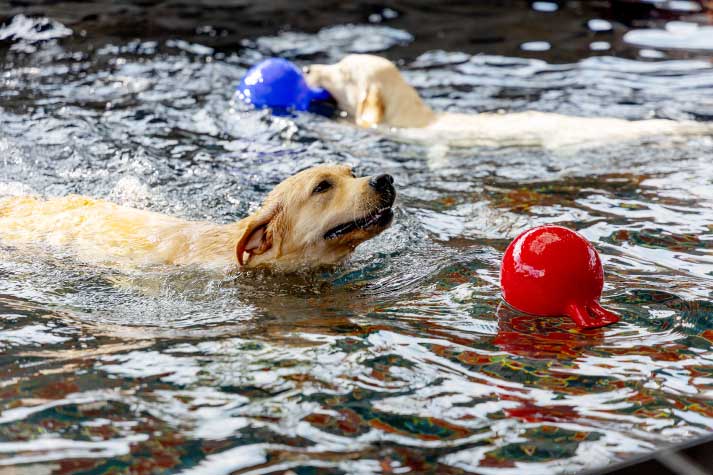
Swimming ability in dogs is heavily influenced by how their bodies are built. Dogs bred for water work, like retrievers, tend to have:
- Even weight distribution
- Strong, coordinated limbs
- Coats that don’t easily weigh them down
But not all dogs are designed this way. Certain traits can make swimming difficult:
- Short legs that limit propulsion
- Heavy chests that pull the body downward
- Flat faces that make breathing harder while staying afloat
This is why some of the most loved pets featured in top 10 dog breeds lists are actually among those that struggle the most in water.
Dog Breeds That Can Swim vs Those That Struggle
| Category | Examples |
| Natural swimmers | Labrador Retriever, Golden Retriever, Portuguese Water Dog |
| Moderate swimmers | Indie dogs, mixed breeds |
| Poor swimmers | Pugs, Bulldogs, Dachshunds |
Flat-faced breeds in particular face a unique challenge, they need to tilt their heads upward to breathe, which disrupts their balance and makes swimming exhausting.
Signs Your Dog May Not Know How to Swim
Not all dogs show obvious fear. Some try to cope, and that’s what makes it easy to miss the warning signs. Watch carefully for:
- Back legs sinking while front legs continue paddling
- Head dipping too low or repeatedly going underwater
- Sudden panic movements or attempts to escape
If your dog shows any of these, they’re not in control, they’re trying to survive the situation.
What Happens If a Dog That Can’t Swim Enters Water?
This is where things change quickly. A dog that isn’t comfortable in water may enter confidently but lose control within seconds. Once panic begins, coordination drops, breathing becomes erratic, and the dog may start swallowing water.
What makes this dangerous is how subtle it can look. From a distance, it may still seem like the dog is “swimming” when in reality, it’s struggling to stay afloat and using up all its energy.
This is why many incidents happen even when pet parents are nearby.
How to Safely Introduce Your Dog to Swimming
The safest way to help a dog learn swimming is to remove pressure and build trust. Start small:
- Let your dog explore shallow water at its own pace
- Stay close and offer reassurance
- Use toys or treats to create positive associations
Avoid forcing your dog into water under any circumstance. One negative experience can create long-term fear.
Confidence in water isn’t about speed, it’s about comfort.
Dog Swimming Safety Tips Every Pet Parent Should Follow
Even strong swimmers need boundaries. A few precautions can make a significant difference:
- Always supervise, even if your dog has swum before
- Use a properly fitted life jacket, especially in open water
- Avoid strong currents, deep areas, or slippery surfaces
- Keep sessions short to prevent exhaustion
Experts also advise keeping fresh drinking water nearby, as dogs may ingest pool or sea water while playing, which can lead to discomfort or health issues.
Swimming During Travel: What Most Pet Parents Overlook
This is where many well-meaning decisions turn into risky ones. During pet travel, your dog is not in its usual state. Even if they normally enjoy water, travel can affect them in ways that aren’t immediately visible.
After long journeys, dogs may be mildly dehydrated, feel physically fatigued, and experience stress from unfamiliar surroundings. Letting a dog swim immediately after travel can overwhelm them, even if they’ve swum before. The environment matters too.
A calm pool at home is very different from:
- Chlorinated hotel pools
- Unpredictable sea waves
- Busy, noisy pet friendly beaches
Sea water can upset the stomach if swallowed, while waves and uneven surfaces can disorient first time swimmers. This becomes even more important for families using pet relocation services, where pets are adjusting to entirely new environments, smells, and routines.
A dog that feels confident at home may behave very differently in a new place, and that difference is often underestimated.
Is Swimming Good for Dogs?
When done safely, swimming can be a great activity. It provides low-impact exercise, making it ideal for dogs with joint concerns or those who need gentle movement. It also helps with mental stimulation and cooling down in warm weather.
But here’s something equally important, not every dog needs to swim to stay healthy. If your dog doesn’t enjoy water, that’s completely fine. Forcing it doesn’t improve fitness, it creates stress.
Final Thoughts
The idea that all dogs can swim is simple, but reality isn’t. Some dogs are built for water, some learn over time, and some may never feel comfortable in it. And that’s okay. What truly matters is understanding your dog, not assumptions, not myths.
Whether you’re planning a relaxed outing or a larger pet travel journey, knowing your dog’s limits can prevent panic, injury, or worse. Because in the end, it’s not about whether dogs can swim.
It’s about knowing when they shouldn’t, and making the right call before it’s too late.
FREQUENTLY ASKED QUESTIONS &
Can dogs drown even if they know how to swim?
Yes, they can. Even confident swimmers can get tired, panic, or struggle in rough conditions. Dog swimming safety is important regardless of skill level.
Which dog breeds cannot swim naturally?
Breeds like Bulldogs, Pugs, and Dachshunds often struggle due to body structure and breathing limitations. These breeds need extra care around water.
Do puppies know how to swim automatically?
Not always. Puppies may show instinctive paddling, but they still need guidance and gradual exposure to feel safe in water.
Is it safe to let dogs swim in the sea or pool?
It depends on the environment. Pools are controlled, while the sea has waves and currents. Extra care is needed during pet travel or visits to pet friendly beaches.
How can I tell if my dog is comfortable in water?
A comfortable dog stays balanced and moves smoothly. Signs of discomfort include panic paddling, sinking legs, or trying to exit the water quickly.




AUTHOR’S BIO
Carry My Pet
Passionate pet enthusiasts and globetrotters, dedicated to easing furry friends' journeys worldwide. Penning tales of compassion at CarryMyPet, where every relocation is a tail-wagging adventure.