21 Jul
Pug Dog Breed: Complete Care, Personality and Health Guide
If you're looking for a small dog with a big personality, the Pug dog breed is one of the most lovable companions you can bring home. Known for their wrinkled face, expressive eyes, and playful nature, Pugs have been winning hearts for centuries. They are affectionate, adaptable, and thrive on human companionship, making them a popular choice for families, singles, and first-time dog owners alike.
While Pugs are easy to love, they also need dedicated care. As a snub-nosed breed, they are more prone to breathing difficulties, can gain weight easily, and require regular grooming. Understanding these needs before bringing one home can help ensure a healthier and happier life.
This Pug care guide covers everything from personality and diet to grooming, health, and travel, helping you give your furry friend a happy and healthy life.
Why Is the Pug Dog Breed So Popular?
The Pug dog originated in ancient China, where it was bred as a companion for royalty. Today, it is not only one of the world's most loved companion dogs but also one of the most popular dog breeds in India, thanks to its affectionate personality, compact size, and adaptable nature.
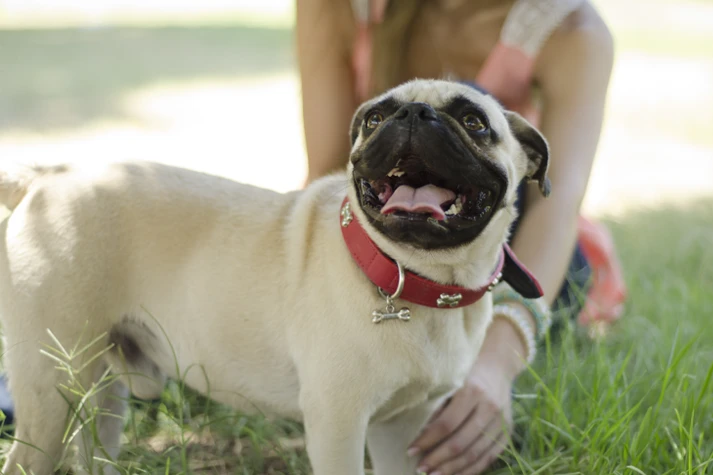
Pugs are instantly recognizable by their compact body, curled tail, short coat, and adorable wrinkled face. As a brachycephalic dog (flat-faced breed), they have a unique appearance but also require extra care, especially during hot weather and physical activity.
Above all, Pugs love being around people. Whether you're relaxing on the couch or heading out for a short walk, they'll happily stay by your side.
Everything You Should Know About the Pug Dog Breed
| Trait | Details |
| Origin | China |
| Size | Small |
| Weight | 6 to 8 kg |
| Height | 25 to 33 cm |
| Lifespan | 12 to 15 years |
| Coat Type | Short, smooth double coat |
| Energy Level | Low to Moderate |
| Grooming Needs | Moderate |
| Exercise Needs | Low to Moderate |
| Best For | Families, apartments, first-time owners |
What Is It Really Like to Live with a Pug?
Living with a Pug is like having a cheerful shadow that follows you from room to room. Their affectionate Pug personality makes them happiest when they're included in everyday family life.
They are playful without being overly energetic and enjoy a mix of short play sessions and long naps. Because they don't need a large backyard, they fit comfortably into apartments as well as larger homes.
One of the best things about the Pug temperament is its social nature. Most Pugs get along well with children, older adults, and other pets when properly socialized. They're also known for their funny expressions and charming antics that can brighten anyone's day.
Is a Pug the Right Dog Breed for Your Lifestyle?
Before bringing home any dog, it's important to know whether the breed matches your lifestyle. Pugs are often recommended for first-time owners because they're loving, adaptable, and generally easy to care for. They enjoy spending time with people and don't require hours of daily exercise.
Are Pugs good family dogs? Absolutely. Their gentle and friendly nature makes them wonderful companions for families with children. They also tend to live peacefully with other pets when introduced properly.
If you work long hours away from home, however, a Pug may not be the best choice. They crave companionship and can become anxious if left alone for extended periods.
What Should a Pug Eat to Stay Healthy?
A balanced Pug diet plays a huge role in keeping your dog healthy. Since Pugs love food and are prone to obesity, portion control is just as important as choosing nutritious meals.
The best food for Pugs should include high-quality protein, healthy fats, essential vitamins, and easily digestible carbohydrates. Fresh drinking water should always be available.
Avoid feeding excessive treats or table scraps, as even a small amount of extra food can quickly lead to weight gain. Maintaining a healthy weight also reduces pressure on their joints and breathing.
If you're unsure what should a Pug eat, consult your veterinarian to choose a diet based on your dog's age, activity level, and overall health.
How Much Exercise Does a Pug Really Need?
Although Pugs aren't highly active dogs, they still need daily movement to stay fit and mentally stimulated.
A couple of short walks combined with indoor playtime are usually enough to meet their exercise needs. Avoid long runs or intense physical activity, especially during warm weather, as brachycephalic dogs can struggle with breathing.
Simple activities such as puzzle toys, gentle games, short training sessions, and crate training from an early age can help prevent boredom while encouraging good behaviour. When introduced positively, crate training also gives your Pug a safe and comfortable space to relax at home or while travelling.
Do Pugs Shed a Lot and How Often Should You Groom Them?
Yes, Pugs do shed, often more than people expect. Regular grooming helps control loose hair while keeping their skin and coat healthy.
A simple grooming routine includes:
- Brushing two to three times a week.
- Cleaning facial wrinkles regularly to prevent moisture build-up.
- Trimming nails every few weeks.
- Cleaning ears and brushing teeth routinely.
One area many owners overlook is wrinkle cleaning. Dirt and moisture trapped between skin folds can cause irritation or infections if left untreated.
Consistent Pug grooming not only keeps your dog looking its best but also helps detect skin issues early.
What Health Problems Are Common in Pugs?
Like many purebred dogs, Pugs are more likely to develop certain health conditions. Knowing the warning signs can help you seek veterinary care before problems become serious.
| Health Issue | Common Signs | Prevention |
| Breathing problems (BOAS) | Snoring, heavy breathing | Avoid overheating and obesity |
| Obesity | Weight gain, low activity | Balanced diet and regular exercise |
| Eye injuries | Redness, excessive tearing | Keep eyes clean and seek prompt treatment |
| Skin fold infections | Bad odour, redness | Clean wrinkles regularly |
| Allergies | Itchy skin, licking paws | Regular veterinary check-ups |
Routine vaccinations, parasite prevention, and annual health examinations also play an important role in keeping your Pug healthy throughout its life.
Can You Travel Safely with a Pug?
Travelling with a Pug requires a little more planning than with many other breeds, but it can be done safely.
Start crate training early so your dog feels comfortable spending time inside a secure travel crate. Whether you're travelling by car or planning pet travel by air, your Pug should always have enough ventilation, water, and regular breaks.
Since Pugs are a brachycephalic breed, always check your airline's guidelines before booking a trip. If you're moving internationally, working with a trusted pet transport service can help you navigate documentation, airline requirements, and travel arrangements while prioritizing your pet's comfort and safety.
Final Thoughts
The Pug dog breed is affectionate, entertaining, and incredibly loyal. Their adaptable personality makes them wonderful companions for families, apartment dwellers, seniors, and first-time dog owners. While they don't demand intense exercise, they do need consistent grooming, a healthy diet, and special attention to breathing and weight management.
With the right care, regular veterinary check-ups, and plenty of love, your Pug can remain a happy and devoted companion for many years.
FREQUENTLY ASKED QUESTIONS &
Are Pugs easy to train?
Yes. Pugs are intelligent and eager to please, making them responsive to positive reinforcement and short, consistent training sessions.
How long do Pugs usually live?
The average Pug lifespan is between 12 and 15 years, depending on genetics, diet, exercise, and overall healthcare.
Why do Pugs have breathing problems?
Pugs are a brachycephalic dog breed, meaning their short muzzle can narrow the airways and make breathing more difficult, particularly in hot weather or during strenuous activity.
Can Pugs be left alone at home?
Pugs prefer company and may become anxious if left alone for long periods. If you have a busy schedule, provide toys, mental stimulation, and gradual training to help them feel comfortable.
Can Pugs travel by air?
Yes, but because Pugs are a brachycephalic breed, air travel requires careful planning. Speak with your veterinarian, check airline regulations, and use a properly sized travel crate to ensure a safe and comfortable journey.


AUTHOR’S BIO
Carry My Pet
Passionate pet enthusiasts and globetrotters, dedicated to easing furry friends' journeys worldwide. Penning tales of compassion at CarryMyPet, where every relocation is a tail-wagging adventure.