19 May
Poodle Dog Breed Information: Temperament, Grooming, Size and Care Guide
The Poodle is an intelligent and low-shedding dog breed known for its curly coat, affectionate personality, and high trainability. Available in Toy, Miniature, and Standard sizes, Poodles are popular among families because of their adaptability, elegance, and active nature. They require regular grooming, daily exercise, and mental stimulation to stay healthy and happy.
Whether it’s a Toy Poodle curled up in a city apartment or a Standard Poodle adjusting to a family’s overseas move, they’re known for adapting well to different routines, living environments, and family lifestyles when properly socialised from an early age.
It’s also one reason they consistently appear on lists of the most popular family dog breeds in India for families, apartment living, and first-time pet parents alike.
Key Facts about Poodle Breed
| Trait | Details |
| Origin | Germany & France |
| Lifespan | 10 to 18 years |
| Coat Type | Curly, low-shedding |
| Temperament | Intelligent, affectionate, alert |
| Energy Level | Moderate to high |
| Good for Families | Yes |
| Apartment Friendly | Toy & Miniature Poodles are highly adaptable |
| Travel Compatibility | Excellent with preparation |
History of the Poodle Breed
Despite France claiming the Poodle as its national dog, the breed's origins trace firmly to Germany, where it was known as the Pudelhund, literally 'puddle dog' a reference to its original role as a water-retrieving working dog. For centuries, hunters used Standard Poodles to retrieve shot waterfowl from lakes and marshes.
The breed's distinctive curly coat was a functional adaptation: dense enough to insulate against cold water, yet light enough to allow free movement. Those ornate clips seen on show dogs started as practical patches of fur left to protect joints in cold water, with excess hair shaved to reduce drag.
By the 16th and 17th centuries, Poodles had transitioned from the marshlands into the royal courts of France and England. Their intelligence made them natural performers, and circus troupes across Europe trained them to execute complex tricks. The Toy and Miniature varieties were selectively bred down in size to serve as companion dogs for European nobility. The American Kennel Club recognised the Standard Poodle in 1887.
Types of Poodles
Poodles come in three officially recognised sizes, though their personalities remain remarkably similar across all types.
| Size | Height | Weight | Lifespan | Best For |
| Toy Poodle | Up to 10 inches | 2 to 3 kg | 14 to 18 years | Apartments, seniors, frequent travellers |
| Miniature Poodle | 10 to 15 inches | 5 to 7 kg | 13 to 15 years | Families, varied living spaces |
| Standard Poodle | Over 15 inches | 18 to 32 kg | 10 to 13 years | Active families, homes with yards |
Toy Poodle
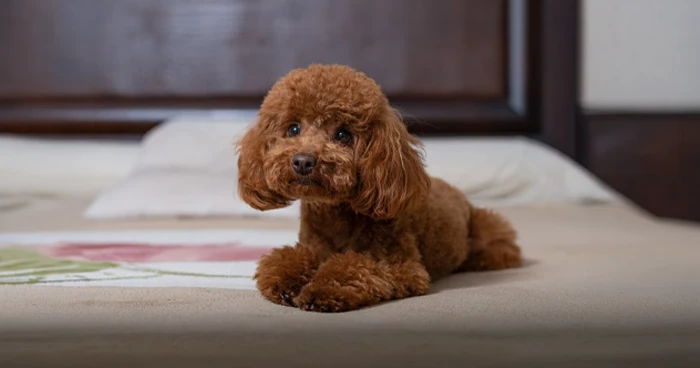
Tiny, lively, and incredibly attached to their humans, Toy Poodles are especially popular among apartment dwellers and frequent travellers. Their smaller size often allows them to qualify for in-cabin airline travel, which makes them easier to manage during international journeys.
Miniature Poodle

Miniature Poodles sit comfortably in the middle, as they are playful, adaptable, and energetic without feeling overwhelming. They’re often a great fit for families looking for an active but manageable dog.
Standard Poodle

The Standard Poodle is the original working version of the breed. Elegant from a distance, athletic up close. They need more exercise and mental stimulation than smaller Poodles, but they’re also incredibly rewarding companions for active households.
Poodle Temperament and Personality
Many Poodle owners eventually notice the same thing, these dogs seem to observe everything. They pick up routines quickly, recognize tone changes, and somehow always know when something feels different at home. A Poodle rarely feels disconnected from the family around them.
That emotional awareness is part of their charm.They’re affectionate without being overly needy and intelligent without becoming difficult to train. But they do need engagement. A bored Poodle usually finds something to do, and owners don’t always appreciate the creativity involved.
Left unstimulated for too long, some may develop:
- Excessive barking
- Destructive chewing
- Clingy behaviour
- Restlessness
Mental exercise matters just as much as physical activity with this breed.
Are Poodles Good Family Dogs?
Yes, exceptionally so. Poodles generally do well with children, seniors, other pets and even in busy households. They adapt quickly to routines and tend to thrive in homes where they’re included in everyday life rather than treated like background pets.
Toy Poodles can be slightly delicate around very young children, while Standard Poodles are usually better suited for active families with outdoor lifestyles.
Do Poodles Shed?
Poodles are considered low-shedding dogs, which is one reason they’re often recommended for people sensitive to pet hair. But low shedding comes with maintenance.
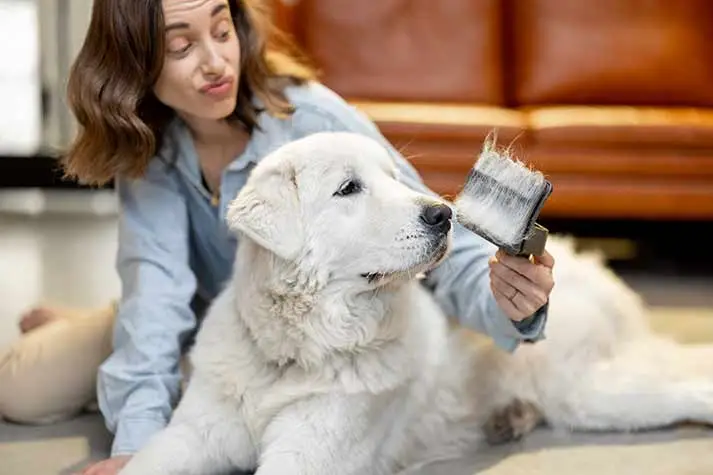
Their dense curly coat traps loose fur instead of releasing it around the house. Without regular brushing, mats can form surprisingly fast, especially around the ears, legs, and underbelly.
Grooming Requirements for Poodles
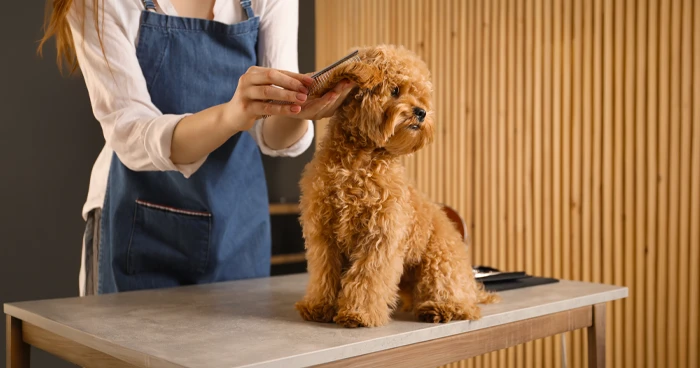
Owning a Poodle means staying consistent with grooming.
Most require:
- Brushing several times a week
- Professional trims every 4 to 8 weeks
- Ear cleaning
- Nail trimming
Many experienced owners prefer keeping the coat slightly shorter because it’s easier to maintain and far more practical during warmer months or long-distance travel.
Matted fur can make long journeys uncomfortable, particularly during crate rest. Having a checklist of basic essential grooming tools for curly-coated dogs before travel often makes the experience smoother for both pets and owners.
How Often Should a Poodle Be Groomed?
Poodles require consistent grooming because their curly coat can mat easily if not maintained properly. Most Poodles should be brushed at least 3 to 4 times a week, while professional grooming is usually recommended every 4 to 6 weeks.
Regular ear cleaning, nail trimming, and coat maintenance are important to prevent infections and discomfort, especially in active dogs.
Exercise and Training Needs of Poodle

Poodles genuinely enjoy learning. Training rarely feels like a chore with them because they’re naturally engaged by interaction. Daily walks, puzzle toys, obedience sessions, scent games, all of it helps.
Standard Poodles usually need more physical activity, while Toy and Miniature Poodles tend to adapt more easily to compact living spaces. Still, every Poodle benefit from routine and mental stimulation.
Poodles usually adapt best when their routines remain consistent, especially during changes in environment, schedule, or living spaces. Something as simple as maintaining familiar routines, feeding schedules, and comfort items can help reduce anxiety considerably in Poodles.
Common Health Concerns in Poodles
Like all breeds, Poodles can be prone to certain hereditary conditions.
Some common concerns include:
- Ear infections
- Dental disease
- Hip dysplasia
- Progressive retinal atrophy
- Bloat in Standard Poodles
Regular veterinary check-ups, responsible breeding practices, and early health screening can significantly reduce the risk of many hereditary conditions in Poodles. Owners should also pay close attention to ear hygiene and digestive health, especially in highly active dogs.
Standard Poodles may be more prone to joint-related concerns because of their larger size, while Toy and Miniature Poodles often require closer attention to dental health and weight management.
Final Thoughts
Poodles have remained popular for good reason. They’re intelligent, affectionate, highly trainable, and adaptable enough to fit beautifully into different lifestyles. Whether living in an apartment or an active family home, they thrive with regular grooming, mental stimulation, exercise, and consistent routines.
They also form remarkably strong bonds with their families, which is one reason so many owners describe them as deeply rewarding companions. With proper care and early training, Poodles can adapt well to different environments and become loyal lifelong pets.
FREQUENTLY ASKED QUESTIONS &
Are Poodles good for first-time dog owners?
Yes, Poodles are often considered one of the best breeds for first-time pet parents because they’re intelligent, eager to learn, and highly adaptable. Toy and Miniature Poodles, in particular, adjust well to apartment living and structured family routines.
Do Poodles bark a lot?
Poodles can become vocal when they’re bored, under-stimulated, or left alone for long periods. Regular exercise, training, and mental enrichment usually help prevent excessive barking and anxious behaviour.
Are Poodles really hypoallergenic?
No dog is completely hypoallergenic, but Poodles are considered one of the most allergy-friendly breeds because of their low-shedding curly coat. Their hair traps loose fur and dander more effectively than many other breeds.
How often do Poodles need grooming?
Most Poodles need brushing several times a week and professional grooming every 4–8 weeks to prevent matting. Coat maintenance becomes even more important for dogs that travel frequently or spend time outdoors.
Can Poodles travel on flights easily?
Poodles are generally considered excellent companions for air travel because they adapt well to routines and human interaction. Toy Poodles may qualify for cabin travel on some airlines, while larger Poodles usually travel comfortably with proper crate training and preparation.
Which Poodle size is best for apartments?
Toy and Miniature Poodles are generally considered the best options for apartment living because of their smaller size and adaptability. However, all Poodles require regular exercise, mental stimulation, and interaction regardless of where they live.



AUTHOR’S BIO
Carry My Pet
Passionate pet enthusiasts and globetrotters, dedicated to easing furry friends' journeys worldwide. Penning tales of compassion at CarryMyPet, where every relocation is a tail-wagging adventure.