18 Jul
Seasonal Pet Care: Protecting Your Pets in Extreme Weather
As loving pet owners, keeping our furry friends healthy through changing seasons is a top priority. Both summer heat and winter cold can affect your pet’s comfort, health, and safety. In this guide, we’ll share practical, vet-approved seasonal pet care tips to help you protect your pets year-round, whether you’re beating the summer heat or braving the winter chill.
Summer Pet Care: How to Keep Pets Cool and Comfortable
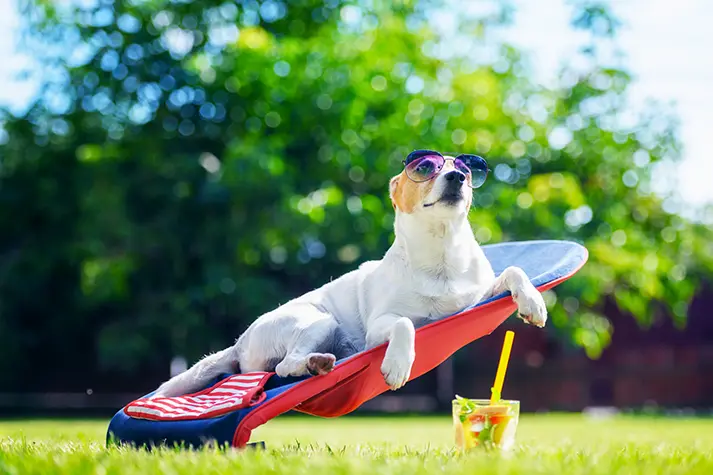
Summer Pet Care Tips to Keep Your Pets Cool and Happy
Hydration and Shade
Always provide fresh water. Refill bowls frequently and carry a portable bottle or collapsible bowl when outdoors. Create shaded spaces. Indoors or outside, ensure your pet can rest away from direct sunlight. Freeze small treats or ice cubes with chicken broth to keep dogs cool and hydrated during long summer days.
Watch for Signs of Overheating
Common symptoms include excessive panting, drooling, weakness, or loss of coordination.
What to do: Move your pet to a cool area, apply cool water to the belly and paws, and contact your vet immediately if symptoms persist.
Sun Protection for Pets
Use pet-safe sunscreen on exposed areas like nose, ear tips, and belly. For light-colored or short-haired pets, add lightweight clothing to protect from UV rays without overheating.
Safe Exercise in Hot Weather
Walk during cooler hours like early morning or evening. Shorten walks or switch to indoor play when it’s too hot. Always test pavement temperature with your hand before walking your pet.
Protect Those Paws
Hot asphalt or sand can cause burns. The solution is sticking to grassy areas or using protective booties if outdoor walks on hot surfaces are unavoidable.
Winter Pet Care: Keep Your Pets Warm and Healthy
Winter Pet Care Tips to Keep Pets Warm and Healthy
Shelter and Warmth
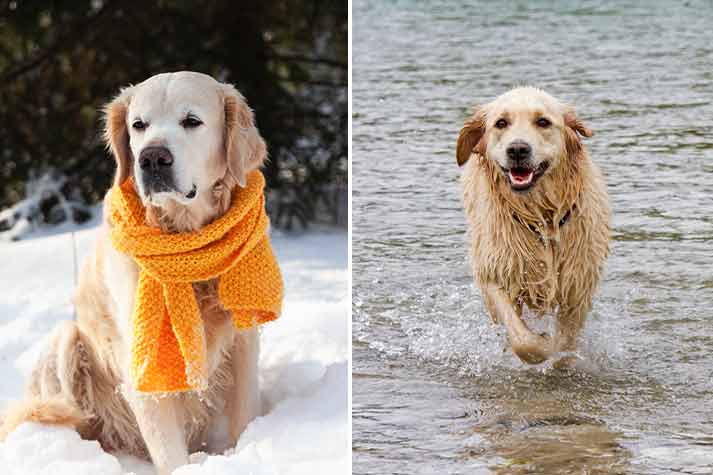
Keep pets indoors as much as possible. For outdoor pets, provide a dry, insulated shelter that shields against wind and moisture. Short-haired breeds benefit from cozy sweaters or jackets during cold walks.
Skin and Paw Protection
Moisturize paws with a pet-safe balm to prevent cracks. After walks, wipe paws and bellies to remove ice, salt, and chemicals. Avoiding over-bathing or frequent washing as it can dry out skin in winter.
Adjust Food and Water Intake
Some pets burn more calories in the cold, adjust portions if they’re more active. Ensure fresh, unfrozen water is always available. Heated water bowls can help prevent freezing.
Beware of Winter Hazards
- Antifreeze: Keep away from pets, it’s toxic and even small amounts can be deadly.
- Snow and Ice: Supervise outdoor play to prevent slipping or losing pets in deep snow.
Indoor Fun and Mental Stimulation
When it’s too cold outside, keep pets happy indoors with:
- Puzzle feeders
- New chew toys
- Short indoor training sessions
- Hide-and-seek games
All-Season Pet Wellness Tips
- Schedule regular vet check-ups before seasonal changes.
- Maintain flea, tick, and heartworm prevention year-round.
- Keep your pet’s ID tags and microchip info updated, especially if you go on seasonal trips.
- Keep Pets Comfortable All Year Round
By following these seasonal pet care tips, you’ll help your furry friends stay safe, happy, and healthy, no matter the weather. Remember: each pet is unique, so adjust these tips to your animal’s age, breed, and lifestyle.
FREQUENTLY ASKED QUESTIONS &
How can I tell if my pet is overheating in summer?
Watch for excessive panting, drooling, rapid heartbeat, or lethargy. If your pet seems weak or disoriented, move them to a cooler area, offer water, and contact your vet immediately, these could be signs of heatstroke.
Is it safe to use sunscreen on dogs and cats?
Yes, but only use pet-safe sunscreen made specifically for animals. Human sunscreens often contain zinc oxide or salicylates, which can be toxic to pets if licked.
How cold is too cold for my dog or cat to go outside?
Most pets are uncomfortable when temperatures drop below 45°F or 7°C, and short-haired or small breeds may need extra protection even sooner. Always monitor for shivering or reluctance to move.
Can I bathe my pet more often in summer?
You can, but avoid over-bathing, as it strips natural oils from the coat. Once every 2-4 weeks is generally enough. In between, use pet-safe wipes or dry shampoo to keep your pet fresh.
What’s the best way to keep indoor pets active in winter?
Try indoor games, treat puzzles, or short training sessions to stimulate your pet mentally and physically. Rotate toys to prevent boredom, and make playtime part of your daily routine.



AUTHOR’S BIO
Carry My Pet
Passionate pet enthusiasts and globetrotters, dedicated to easing furry friends' journeys worldwide. Penning tales of compassion at CarryMyPet, where every relocation is a tail-wagging adventure.