23 Jan
Pet First Aid: What Every Owner Should Know
Pets are family. Whether it’s a playful puppy, a senior cat, or a rescued companion, their safety and well being matter just as much as any loved one in your home. While routine vet visits and preventive care go a long way, emergencies can happen when you least expect them. Knowing basic pet first aid tips can make a critical difference in those moments before professional help is available.
This blog will help you feel more prepared, calm, and confident when faced with common emergencies. From understanding emergency care for pets to building a simple first aid kit and knowing when to seek immediate veterinary help, this article covers what every responsible pet parent should know.
Why Pet First Aid Knowledge Matters
Unlike humans, pets can’t tell us where it hurts or what feels wrong. In emergencies, even a few minutes can impact the outcome. Pet first aid is not a replacement for veterinary care, but it plays a crucial role in stabilizing your pet and preventing a condition from worsening.
Whether you’re at home, traveling, or using a pet relocation service, understanding first aid basics can help you act quickly and responsibly.
Common Pet Emergencies You Should Be Prepared For
Being aware of common emergency scenarios helps reduce panic and improves response time. Some of the most frequent situations include:
- Cuts, wounds, or bleeding
- Burns from heat, chemicals, or hot surfaces
- Choking or difficulty breathing
- Seizures
- Heatstroke or hypothermia
- Poisoning from household items or plants
- Fractures or limping after falls
- Bites or stings from other animals or insects
Each of these situations requires calm handling and basic first aid knowledge until professional care is available.
Essential Pet First Aid Tips Every Owner Should Know
Stay Calm and Ensure Safety
Your pet can sense panic. Speak softly and move slowly. If your pet is in pain, they may bite or scratch out of fear, even if they’ve never shown aggression before. Use a towel or blanket if needed to gently restrain them.
Control Bleeding
For bleeding wounds, apply gentle pressure using clean gauze or a cloth. Elevate the injured area if possible and avoid using tourniquets unless instructed by a professional.
Handle Burns Carefully
For minor burns, cool the area with running water for several minutes. Never apply ice, butter, or human burn ointments without veterinary guidance.
Know What to Do If Your Pet Is Choking
If your pet is coughing or gagging, allow them to try clearing it themselves. Only attempt to remove an object if you can see it clearly and safely. Avoid blind finger sweeps.
Watch for Signs of Heatstroke
Heavy panting, drooling, vomiting, weakness, or collapse are warning signs. Move your pet to a cooler area immediately and offer small amounts of water. Seek veterinary care urgently.
Dog and Cat First Aid Guide: Key Differences to Remember
While many first aid principles apply to both dogs and cats, there are important differences that you should know. Some major difference in dog and cat first aid guide include:
- Cats are more sensitive to medications and toxins. Never give a cat medication meant for dogs or humans.
- Dogs are more likely to suffer from heatstroke due to exertion, especially snub nosed breeds.
- Cats tend to hide pain, so subtle behavior changes should be taken seriously.
Understanding these distinctions helps provide safer emergency care for pets.
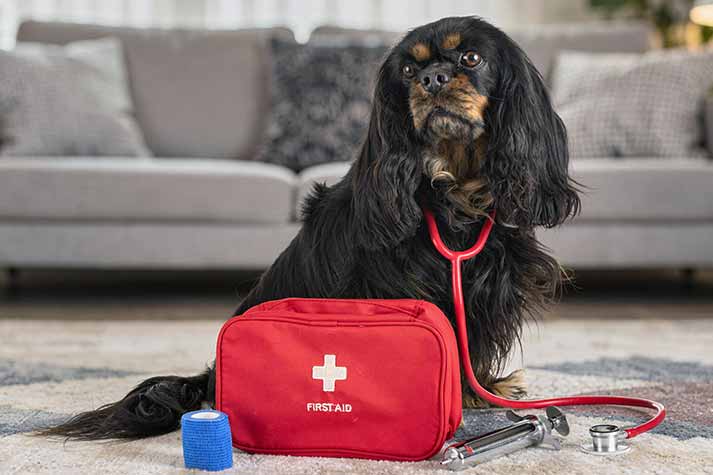
How to Build a Pet First Aid Kit
A well stocked first aid kit should be easily accessible at home and during travel. Consider including:
- Gauze pads and non stick bandages
- Pet safe Adhesive tape
- Antiseptic solution recommended by your vet
- Digital thermometer
- Tweezers and blunt scissors
- Disposable gloves
- Saline solution
- Towel or blanket
- Emergency contact numbers
If you frequently travel or work with a pet travel company, keeping a compact kit in your travel bag is highly recommended.
When to Seek Immediate Veterinary Care
First aid is only a temporary measure. Contact a veterinarian or emergency clinic right away if your pet experiences difficulty breathing, uncontrolled bleeding, seizures lasting more than a minute, suspected poisoning, severe trauma or fractures or sudden collapse or loss of consciousness.
Pet Travel, Relocation, and Emergency Preparedness
Travel introduces new risks, from stress related illness to exposure to unfamiliar environments. Reputable pet travel companies prioritize safety, documentation, and emergency planning.
Before traveling or relocating your pet:
- Ensure vaccinations are up to date
- Carry medical records and prescription
- Understand local veterinary resources at your destination
- Ask your pet relocation service about emergency protocols
International travel may also require specific health documentation, including a Rabies titer test, which confirms your pet’s immunity and is often mandatory for entry into certain countries.
Understanding the Importance of a Rabies Titer Test
A Rabies titer test measures the level of rabies antibodies in your pet’s blood. It is commonly required for international pet relocation and long term travel.
This test is not only a regulatory requirement but also an important health safeguard. It ensures your pet is adequately protected against rabies, especially when traveling to regions with strict biosecurity laws.
If you’re planning relocation, consult your veterinarian early, as timelines for testing and approval can take several weeks.
Prevention Is the Best First Aid
While emergencies can’t always be avoided, many are preventable. Regular vet visits, proper nutrition, exercise, and home safety measures significantly reduce risks.
Simple steps like securing toxic substances, monitoring outdoor activities, and understanding breed specific risks go a long way in protecting your pet.
Final Thoughts
Being prepared doesn’t mean expecting the worst, it means caring deeply enough to act when it matters most. Learning pet first aid tips empowers you to protect your companion during critical moments and ensures faster, safer outcomes.
Whether you’re caring for your pet at home, traveling across cities, or working with a pet relocation service for international moves, knowledge, preparation, and compassion are your strongest tools. Your pet relies on you, and with the right information, you’re more than capable of being there when they need you most.
FREQUENTLY ASKED QUESTIONS &
What are the most important pet first aid tips every owner should know?
The most important tips include staying calm, controlling bleeding, recognizing signs of distress, avoiding human medications, and knowing when immediate veterinary care is needed.
How is emergency care for pets different from regular vet care?
Emergency care focuses on stabilizing life-threatening conditions quickly, while regular vet care addresses preventive health, routine checkups, and long term treatment plans.
Can I use human first aid products on my dog or cat?
Some items like gauze may be safe, but many human medications and antiseptics are toxic to pets. Always consult a veterinarian before using any product.
Why is a Rabies titer test required for pet travel?
A Rabies titer test proves that your pet has sufficient rabies antibodies and meets international health regulations, especially for countries with strict import rules.
How can a pet travel company help in emergencies?
A professional pet travel company or pet relocation service plans for emergencies by coordinating documentation, safe transport, and access to veterinary care during transit.





AUTHOR’S BIO
Carry My Pet
Passionate pet enthusiasts and globetrotters, dedicated to easing furry friends' journeys worldwide. Penning tales of compassion at CarryMyPet, where every relocation is a tail-wagging adventure.