20 Feb
How to Switch Your Pet to a New Diet Safely
Changing your pet’s food is more than a simple swap in the bowl. A sudden shift in ingredients, protein sources, or nutrient balance can upset your pet’s digestive system and lead to avoidable discomfort. If you’ve been researching how to transition pet food the right way, the answer is simple: go slow, stay observant, and adjust thoughtfully.
Whether you're upgrading to a higher quality formula, managing allergies, helping with weight control, or preparing for relocation with a pet travel company for international pet travel, a gradual transition protects your pet’s gut health and overall wellbeing. This guide explains exactly how to do it properly.
Why Switching Pet Food Requires Care
Your pet’s digestive system adapts to the food they eat regularly. The enzymes in their gut and the balance of beneficial bacteria, the gut microbiome, adjust to break down specific ingredients.
When food changes suddenly:
- Protein sources may shift like chicken to lamb, or beef to fish
- Fat levels may increase or decrease
- Fiber content may vary
- Ingredient quality and digestibility may differ
The result can be diarrhea, vomiting, gas, or refusal to eat. Even healthy pets can experience digestive upset if the switch is abrupt.
That’s why switching dog food safely or changing a cat’s diet should always follow a structured plan.
The Proper Dog Food Transition Schedule
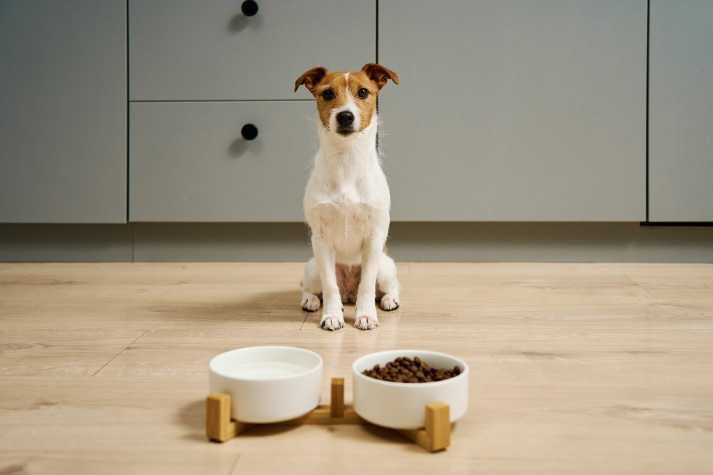
A gradual seven day plan works for most healthy dogs. Here is the recommended dog food transition schedule: Days 1 to 2: 75% old food with 25% new food. Days 3 to 4: 50% old food with 50% new food. Days 5 to 6: 25% old food with 75% new food, and on day 7, only new food.
This step by step approach allows the digestive system to adapt slowly to new ingredients. It's important to check the best dog food by their breed and age.For dogs with sensitive stomachs, extend the process to 10 to 14 days. Larger breeds, seniors, and dogs with prior digestive issues benefit from a slower transition.
How to Change Cat Food Without Problems
If you’re searching for how to change cat food, understand that cats are often more sensitive to dietary shifts than dogs. They can be particular about taste, smell, and texture.
Follow the same gradual mixing schedule, but move even slower if needed. If your cat resists:
- Mix thoroughly so they can’t separate old from new.
- Warm the food slightly to enhance aroma.
- Offer smaller, more frequent meals.
Never withhold food to force acceptance. Cats that stop eating for more than 24 hours risk serious liver complications. If refusal continues, consult your veterinarian immediately.
What Happens in the Gut During a Food Transition?
Understanding the science helps explain why gradual change matters. The gut microbiome consists of trillions of bacteria that assist with digestion and nutrient absorption. A sudden change in diet alters the environment those bacteria rely on. This imbalance can cause temporary gastrointestinal symptoms.
A slow introduction allows beneficial bacteria to adjust and multiply appropriately for the new ingredients. This reduces the risk of inflammation and digestive distress.
How To Know If the Diet Switch Is Going Well
Signs Your Pet Is Adjusting Well
During the transition, mild changes can occur. These are generally normal:
- Slightly softer stool for one or two days
- Minor appetite fluctuations
- Temporary increase in gas
These symptoms typically resolve quickly as the body adapts.
Signs the Switch Is Too Fast
If you notice any of the following, pause the increase in new food:
- Persistent diarrhea
- Vomiting
- Blood in stool
- Excessive scratching or skin flare ups
- Lethargy
- Complete refusal to eat
Revert to the previous ratio for several days before progressing again. If symptoms continue, seek veterinary advice. Food intolerance symptoms may appear within the first week.
Special Situations That Require Extra Caution
Pets with Sensitive Stomachs
If your dog frequently experiences diarrhea after switching food, extend the transition to two weeks. Introduce only one dietary change at a time. Avoid switching both food type and treats simultaneously.
Pets with Allergies
When transitioning to a limited-ingredient or hypoallergenic diet, be especially methodical. Introducing multiple new proteins at once can make it difficult to identify the source of a reaction.
Puppies and Kittens
Young animals have developing digestive systems. Follow a careful transition schedule and avoid rapid changes unless medically necessary.
Senior Pets
Older pets may have slower digestion and underlying conditions. Monitor energy levels and stool consistency closely.
Travel and Relocation
If you’re preparing for relocation with a pet travel company, especially for international pet travel complete the food transition at least two to three weeks before departure. Travel stress combined with a new diet increases the likelihood of digestive upset.
Planning ahead prevents complications during an already stressful period.
Practical Tips for a Smooth Transition
Maintain a consistent feeding schedule. Avoid introducing new treats, supplements, or table scraps during the transition period. Ensure fresh water is always available. If your dog seems hesitant, adding a small amount of warm water can soften kibble and improve aroma. For picky eaters, mixing thoroughly prevents selective eating.
Most importantly, stay patient. Anxiety around feeding can affect your pet’s behavior. A calm routine helps build confidence around the new food.
How Long Does It Take for Full Adjustment?
While the mixing schedule typically lasts one week, full digestive adaptation can take up to two weeks. Stool quality, appetite, and energy levels are the best indicators of successful adjustment.
If symptoms persist beyond 10 to 14 days, reassess the diet choice. The issue may not be the speed of transition but the food itself.
Final Thoughts
Learning how to transition pet food properly protects your pet’s digestive health and prevents unnecessary discomfort. Whether you’re upgrading nutrition, managing medical needs, or preparing for international relocation, a gradual and thoughtful approach makes all the difference.
By following a structured dog food transition schedule, carefully observing your pet’s response, and adjusting pace when needed, you can ensure a smooth and safe dietary change.
When in doubt, your veterinarian remains the most reliable source of personalized guidance.
FREQUENTLY ASKED QUESTIONS &
How long should I follow a dog food transition schedule?
Most dogs adjust within seven days using a gradual plan. Sensitive pets may require up to 14 days. If digestive upset continues beyond two weeks, consult a veterinarian to evaluate the food choice.
Can I switch dog food immediately if my pet seems healthy?
Even healthy dogs can experience digestive upset with sudden changes. Switching dog food safely involves gradual mixing to support gut adaptation and reduce the risk of diarrhea or vomiting.
What is the safest way to learn how to change cat food?
The safest approach is slow mixing over seven to ten days. If your cat refuses food for more than 24 hours, seek veterinary advice to avoid serious complications.
Why does my dog have diarrhea after switching food?
Diarrhea often occurs when the transition happens too quickly or when the new formula contains unfamiliar proteins or fat levels. Slow down the ratio increase and monitor closely.
Should I change my pet’s diet before international travel?
Yes. If you’re planning international pet travel with a professional pet travel company, complete any food transition at least two to three weeks before departure to avoid combining stress and digestive change.




AUTHOR’S BIO
Carry My Pet
Passionate pet enthusiasts and globetrotters, dedicated to easing furry friends' journeys worldwide. Penning tales of compassion at CarryMyPet, where every relocation is a tail-wagging adventure.