17 Dec
Managing Pet Behaviour Changes After Long-Distance Travel
Travelling with a pet is more than just a journey from one place to another. For dogs and cats, long-distance travel can feel confusing, exhausting, and even frightening. New smells, unfamiliar sounds, long flights, and sudden changes in routine often lead to noticeable behaviour changes once you arrive.
Many pet parents are surprised when a normally calm dog becomes restless or when they notice cat stress after travel, such as hiding or refusing food. These reactions are common and usually temporary. But with right care and patience, most pets settle into their new environment comfortably.
This guide explains why behaviour changes happen when relocating pets’ long distance, what signs to look out for, and practical ways to help adjust after pet relocation. It also includes simple long-distance travel pet behaviour tips and answers to common questions at the end.
Why Pets Show Behaviour Changes After Long-Distance Travel
Long-distance travel like international pet relocation, disrupts almost every pet’s normal life. Their daily schedule, surroundings and sense of security all change at once. Even when travel is handled safely, pets may still feel stressed or overwhelmed.
Some of the most common causes include:
- Physical fatigue from long flights or car journeys
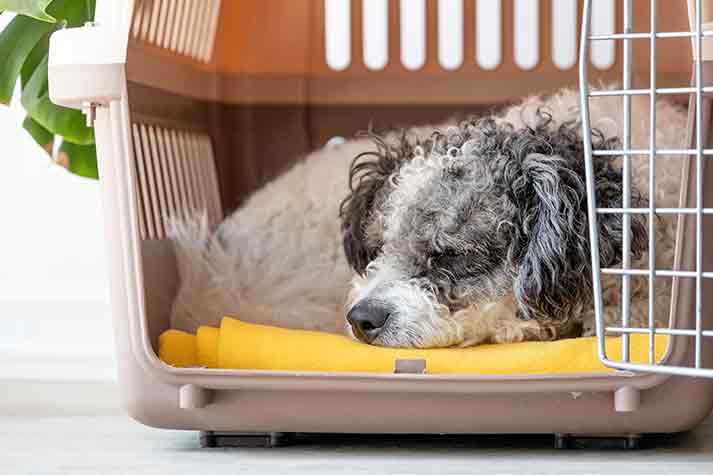
- Stress from being confined in a carrier or crate
- Loud noises and unfamiliar handling during transit
- New smells, people, and environments after arrival
For cats especially, travel-related stress can be more visible. Cat stress after travel often appears as withdrawal, hiding, or changes in litter box habits. Dogs may become clingy, anxious, or unusually quiet.
These behaviours don’t mean there is a long-term problem. They are usually just part of adjusting to change. Long journeys can be stressful for your pet’s mental health, so it’s important to use a professional pet relocation service when planning a long move.
Common Behaviour Changes You May Notice
After relocating pets for long distances, it’s normal to see short-term changes. These can vary depending on your pet’s personality, age, and past travel experience.
Some common signs that can often suggest changes include:
- Loss of appetite – Stress or unfamiliar surroundings
- Hiding or withdrawal – Feeling overwhelmed or insecure
- Restless or pacing – Anxiety or excess nervous energy
- Excessive vocalization – Seeking reassurance or expressing stress
- Changes in sleep patterns – Disrupted routine or jet lag
- Increased clinginess – Need for comfort and familiarity
Most of these behaviours improve within a few days to a couple of weeks with proper support.
How to Calm Pets After Travelling
Helping your pet feel safe and settled is the most important step after arrival. Small, consistent actions can make a big difference.
Re-establish a Familiar Routine
Pets find comfort in predictability. Feed them at the same time, take dogs for regular walks, and maintain familiar bedtime routines. A stable schedule helps reduce anxiety and speeds up adjustment.
Create a Safe Space
Set up a quiet area with your pet’s bed, toys, and familiar items like blankets or clothing that smell like home. This is especially important for cats experiencing stress after travel, as they often need time alone to decompress.
Allow Gradual Exploration
Avoid forcing your pet to explore the new environment. Let them move at their own pace. For cats, start with one room and slowly expand their access as they become more confident.
Offer Comfort Not Pressure
Gentle reassurance is helpful, but too much attention can increase stress. Let your pet come to you when they want affection. Calm behaviour from you signals that everything is safe.
Monitor Food and Water Intake
Some pets eat less after traveling. As long as they are drinking water and gradually returning to normal eating habits, this is usually not a concern. If refusal lasts more than 48 hours, consult a veterinarian.
Special Tips for Dogs and Cats
Dogs often benefit from light exercise once they are rested. Short walks help release nervous energy and establish a sense of normalcy. Mental stimulation through toys or basic training exercises can also help.
Cats, on the other hand, need patience. Cat stress after travel may show as hiding or avoiding interaction. Keep their litter box clean and accessible, and avoid rearranging their space during the first few weeks.
When to Seek Professional Help
Behaviour changes should slowly improve. If symptoms worsen or persist beyond a few weeks, or if your pet shows signs of illness such as vomiting, diarrhoea, or extreme lethargy, it’s best to consult a veterinarian or animal behaviour specialist. Early support can prevent short-term stress from turning into long-term behavioural issues.
Conclusion
Behaviour changes after long-distance travel are common and usually temporary. Whether you’re relocating pets long distance for work, family, or a fresh start, patience and preparation goes a long way.
By following simple long-distance travel pet behaviour tips and understanding how to calm pets after traveling, you can help your dog or cat feel safe, secure, and at home in their new environment. A calm transition helps build trust and ensures your pet starts this new chapter feeling supported.
FREQUENTLY ASKED QUESTIONS &
Is it normal for pets to act differently after long-distance travel?
Yes. Changes in behaviour are common due to stress, fatigue, and unfamiliar surroundings. Most pets adjust within a few days or weeks.
How long does cat stress after travel usually last?
For most cats, stress-related behaviours improve within one to two weeks. Providing a quiet space and maintaining routine helps speed up recovery.
What are the best ways to calm pets after traveling?
Stick to familiar routines, create a safe space, allow gradual exploration, and offer calm reassurance without pressure.
Should I worry if my pet won’t eat after traveling?
A temporary loss of appetite is normal. If your pet refuses food for more than 48 hours or shows other symptoms, contact a veterinarian.
Can behaviour changes be prevented when relocating pets long distance?
While not always preventable, preparation, proper travel planning, and post-arrival care can significantly reduce stress and ease the adjustment process.




AUTHOR’S BIO
Carry My Pet
Passionate pet enthusiasts and globetrotters, dedicated to easing furry friends' journeys worldwide. Penning tales of compassion at CarryMyPet, where every relocation is a tail-wagging adventure.