12 Feb
How to Stop Destructive Dog Chewing: Proven Training and Toys
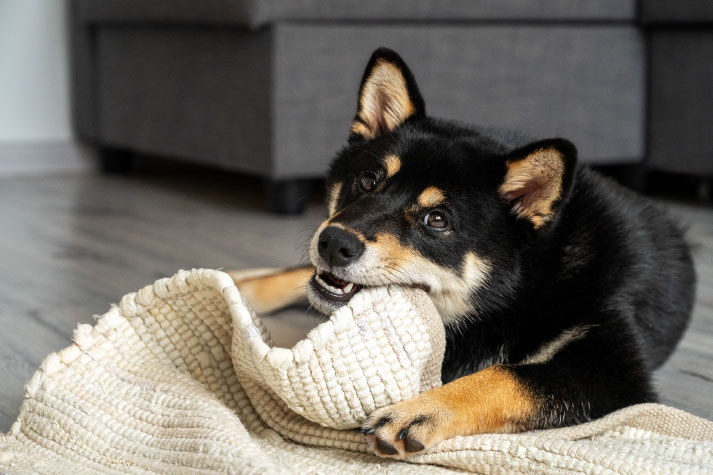
If you live with a dog, chances are you’ve lost a shoe, cushion, remote, or table leg to chewing. While it’s frustrating, destructive chewing is rarely about bad behavior. It’s your dog trying to communicate something they need like comfort, stimulation, relief, or reassurance.
The good news is this: chewing problems can be fixed. With the right understanding, consistent training, and appropriate chew outlets, most dogs learn what’s okay to chew and what’s not. This guide walks you through dog chewing behavior solutions that actually work, using simple language and realistic expectations.
Reasons Why Dogs Chew Destructively
Chewing is natural. Puppies chew to soothe teething pain. Adult dogs chew to relax, explore, or burn off energy. Problems begin when chewing becomes excessive or destructive.
Common reasons include boredom, lack of exercise, anxiety, teething, or sudden changes in routine. Dogs that are left alone for long hours, recently moved homes, or adjusting to travel, such as during long journeys or international moves planned with a pet travel company, often chew more than usual. Stress plays a big role, even if it’s not obvious.
This is why punishment doesn’t work. If a dog is chewing because they’re anxious or under stimulated, scolding only adds confusion and fear; it doesn’t solve the root problem.
How to Train a Dog Not to Chew the Wrong Things
Training a dog not to chew isn’t about stopping chewing altogether. It’s about teaching what’s allowed and managing the environment while your dog learns.
Start by supervising closely. If you see your dog chewing something inappropriate, calmly interrupt and redirect them to a toy they are allowed to chew. When they choose the right object, praise them. This builds clear associations without fear.
Consistency matters more than perfection. Everyone in the household should follow the same rules. If a shoe is off-limits, it must always be off-limits, even during play.
Another important step is reducing temptation. Put away items your dog loves to chew until the habit improves. Training becomes much easier when your dog isn’t constantly set up to fail.
Choosing the Best Chew Toys for Aggressive Chewers
Not all chew toys are created equal. Many dogs destroy soft toys in minutes, which only increases frustration for both dog and owner. Choosing the best chew toys for aggressive chewers can dramatically reduce destructive behavior.
Look for toys made from durable rubber, reinforced nylon, or heavy duty materials designed for power chewers. Texture matters too, ridges and grooves keep dogs engaged longer and support dental health.
Rotate toys every few days instead of leaving all of them out. This keeps things interesting and prevents boredom, which is a common trigger for destructive chewing.
A few toy types that tend to work well:
- Heavy-duty rubber chew toys for long-lasting engagement
- Treat-dispensing toys that challenge the brain
- Frozen chew toys that soothe anxiety and teething discomfort
Avoid toys that break into sharp pieces or can be swallowed. Safety always comes first.
Mental and Physical Stimulation
Many chewing issues aren’t about toys at all, they’re about unmet needs. A tired dog with a stimulated mind is far less likely to destroy furniture.
Daily walks, sniffing games, short training sessions, and puzzle toys help burn energy in healthy ways. Even 15 minutes of focused mental activity can make a noticeable difference.
If your dog chews most when left alone, practice calm departures and arrivals. Avoid making a big deal out of leaving or coming home. This helps reduce separation-related stress, which often shows up as chewing.
Chewing Problems During Travel or Relocation
Chewing often spikes during travel, boarding, or moving to a new home. New smells, unfamiliar spaces, and disrupted routines can make dogs anxious, even if they seem calm on the surface.
This is where preparation matters. Familiar chew toys, blankets, and scents provide comfort and stability. For families working with a pet relocation service, it’s important to plan for emotional needs, not just logistics.
Experienced relocation professionals understand that behavior changes, including chewing, are common during transitions. Proper crate conditioning, pre-travel training, and stress reducing routines can make a huge difference in how dogs cope during long journeys or international moves.
When to Seek Professional Help
If destructive chewing continues despite training and enrichment, it may be time to consult a veterinarian or certified dog behaviorist. Persistent chewing can sometimes be linked to anxiety disorders or underlying health issues.
Getting help early prevents frustration from building, for both you and your dog.
Final Thoughts
Destructive chewing isn’t a flaw, it’s communication. When you address the cause instead of reacting to the symptom, real change happens. With patience, clear training, and the right tools, dogs learn quickly what’s okay to chew and what’s not.
Whether you’re working on everyday training or preparing for a move with a trusted pet relocation service, supporting your dog’s emotional needs is just as important as meeting their physical ones. The result is a calmer, happier dog, and a home that stays intact.
FREQUENTLY ASKED QUESTIONS &
Is destructive chewing a sign of anxiety in dogs?
Yes, it often can be. Dogs experiencing separation anxiety or stress may chew to self soothe. Identifying triggers is key to solving the problem.
How long does it take to stop destructive chewing
Most dogs improve within a few weeks of consistent training and proper enrichment. Severe cases may take longer, especially if anxiety is involved.
Do bitter sprays actually work on dogs?
They can help discourage chewing temporarily, but they work best when combined with training and redirection rather than used alone.
Are chew toys enough to stop destructive chewing?
Chew toys help, but they’re not a complete solution. Exercise, mental stimulation, and routine are just as important.
Why does my dog chew more after moving or traveling?
Changes in the environment can increase stress. Familiar items and structured routines help dogs feel secure during transitions.



AUTHOR’S BIO
Carry My Pet
Passionate pet enthusiasts and globetrotters, dedicated to easing furry friends' journeys worldwide. Penning tales of compassion at CarryMyPet, where every relocation is a tail-wagging adventure.