19 Dec
How to Protect Pets and Strays from Smog in Delhi NCR
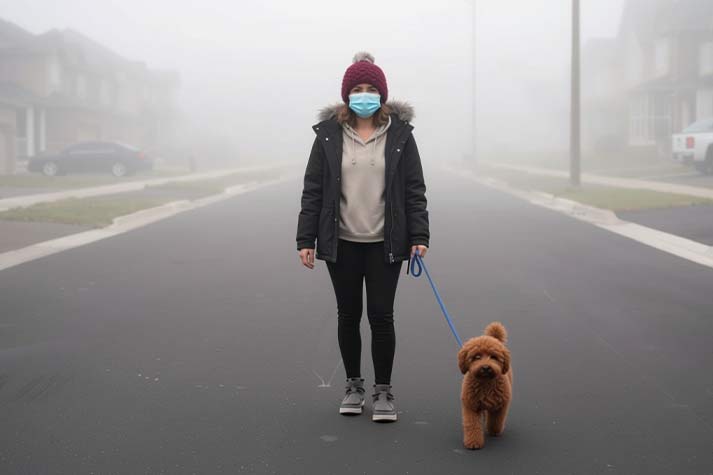
For millions of people in North India, winter is not just about cold mornings. It also means smog. In Delhi and nearby NCR areas, smog is no longer something we talk about once in a while. It is here almost every winter.
In recent days, AQI levels have gone into the severe and even hazardous range. Some areas have shown numbers above 450, almost touching 500. That kind of air is hard for people to breathe. Now imagine what it does to animals who stay outdoors all day or breathe faster than us and closer to the ground.
This article looks at the smog pollution impact on pets and stray animals in simple terms. It also explains what you can actually do to help pets and strays in this hazardous air.
What is Smog Pollution and Why Animals are Vulnerable
Smog is dirty air made up of tiny particles like PM2.5 and PM10, vehicle smoke, factory emissions, and ground-level ozone. In Delhi-NCR, traffic, construction dust, winter weather, and farm burning from nearby states all mix together and get trapped in the air.
Animals don’t have controlled spaces like we do. A pet dog, even inside your home, still goes out for walks. A stray cat or dog lives on the street all the time. They breathe this air constantly. Their lungs are smaller and more sensitive, so air pollution and animal health is a serious issue, not a small one.
How Smog Pollution Affects Pets
Many vets in Delhi have noticed a clear rise in pollution-related problems in pets. Over the past few months, clinics have treated dozens of dogs and cats with breathing issues like coughing, fever, and discharge from eyes and nose.
Because pollution stays for weeks at a time, some pet parents even start thinking ahead about safer options, like short-term stays in cleaner areas using a trusted pet relocation service, especially for animals that already have breathing trouble.
Short-term Signs to Watch
If pollution is affecting your pet, you may notice:
- More frequent coughing or wheezing
- Red, itchy or watery eyes
- Low energy and reduced playfulness
- Reduced appetite
These signs can look small at first, but if they stay, it usually means the lungs are irritated. Fine dust goes deep inside and causes swelling over time.
Long-Term Health Risks
Long exposure to polluted air can lead to bronchitis, weak immunity, and long-term breathing trouble. Flat-faced breeds like pugs, bulldogs, and Shih Tzus suffer more because their airways are already narrow.
Pets cannot tell us what’s wrong. Many times, by the time symptoms look serious, the damage has already started.
How to Protect Pets from Pollution
You don’t need fancy tools to start. These steps explain how to protect pets from pollution in real, everyday life.
- Reduce outdoor time - Short walks are better than long ones on high-AQI days. Early mornings, when traffic is less, are usually slightly better. Always check AQI before heading out. This is one of the most effective pet safety tips during air pollution.
- Improve indoor air - Pets spend many hours inside. Air purifiers help, but even keeping windows closed during peak pollution, cleaning floors often, and avoiding incense or smoking indoors makes a difference.
- Clean your pet after walks - Wipe paws and fur gently after coming back home. This removes dust that pets might lick later. It sounds small, but over time it really reduces exposure.
What Stray Animals Go Through During Smog
Stray dogs, cats, cows, and birds suffer the most. They have no shelter, no clean indoor air, and no regular medical care. In a city like Delhi, hundreds of thousands of stray animals breathe toxic air every single day.
Most of them rest near roads, where pollution levels are the highest. Rescue workers often notice more eye infections, breathlessness, and tired behaviour when AQI gets worse. Sadly, many cases never reach a vet until it’s very serious.
This is why ways to help stray animals during smog really matter.
How You Can Help Stray Animals During Smog
Even some simple initiatives from your side can help a stray animal a lot. You can:
- Keep clean water bowls in safe, shaded areas
- Feed animals before peak traffic hours
- Create simple shelters using cardboard, cloth, or old boxes
Supporting local feeders and animal welfare groups also helps. Even sharing information can reach more people. These are practical ways to help stray animals during smog without feeling helpless.
When Relocation Becomes an Option
For older pets, animals with lung problems, or sensitive breeds, temporary relocation during peak smog months can help. Some families opt for pet travel to less polluted places for short stays when AQI stays severe for days.
A professional pet relocation service can manage travel, paperwork, and reduce stress for animals. This option is not necessary for everyone, only for pets who truly need it.
Final Thoughts
Many people think, “My pet looks fine, so everything is okay.” Animals hide discomfort very well. Another mistake is focusing only on supplements or makes while ignoring exposure control. Some owners care about outdoor walks but forget indoor air quality, which is just as important.
Smog is not just annoying; it is dangerous for animals too. But protecting them doesn’t need fear or extreme steps. Small, steady actions matter more than anything else.
Pets and stray animals breathe the same air we do. Caring for them is not just kindness, it shows how much we care about the health of everyone around us.
FREQUENTLY ASKED QUESTIONS &
Is smog dangerous for dogs and cats?
Yes. Fine pollution particles can irritate your pet’s lungs, eyes, and throat. Long-term exposure may worsen asthma, bronchitis, or heart conditions, especially in older or short-nosed pets.
How can I protect my pet during high pollution days?
Limit outdoor walks, especially during early mornings and evenings when smog is worst. Keep windows closed, use air purifiers if possible, and ensure your pet stays well-hydrated.
Do indoor pets still get affected by smog?
Yes. Outdoor pollution can enter homes through windows, doors, and ventilation. Without proper air filtration, indoor pets may still inhale harmful particles over time.
How does smog affect stray animals differently?
Stray animals are constantly exposed without access to clean shelter or medical care. This leads to higher risks of chronic respiratory issues, eye infections, and weakened immunity.
When should I take my pet to a vet?
If symptoms like coughing, difficulty breathing, red eyes, or unusual tiredness last more than 24-48 hours, seek veterinary care. Early treatment can prevent serious complications.




AUTHOR’S BIO
Carry My Pet
Passionate pet enthusiasts and globetrotters, dedicated to easing furry friends' journeys worldwide. Penning tales of compassion at CarryMyPet, where every relocation is a tail-wagging adventure.