23 Oct
How to Plan a Road Trip With Your Pet
A road trip planning with your pet takes more than packing food and toys. From choosing a pet-friendly route to preparing your dog or cat for long hours in the car, a little planning can make the journey safer and more enjoyable. Whether you're heading out for a weekend getaway or a long-distance drive, here's everything you need to know before hitting the road with your furry companion.
How Can You Prepare Your Pet for a Road Trip?
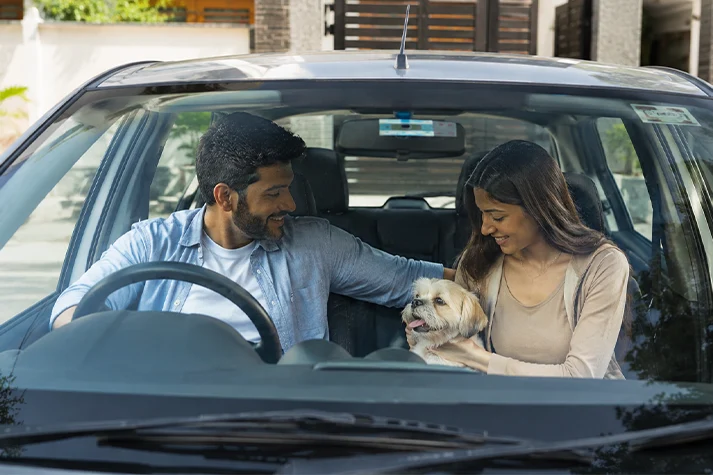
A road trip can be exciting, but it can also be stressful if your pet isn't used to travelling in a vehicle. Before embarking on a long journey, take your pet on several shorter drives to help them get comfortable with the movement, sounds, and environment inside the car. Carry their favourite toys and treats, and even spend some time sitting together in a parked vehicle so they associate it with a safe and positive experience.
By extension, crate training is equally important if your pet will be travelling in a carrier. Start by letting them explore the crate at home and reward them with treats for entering it voluntarily. Gradually increase the time they spend inside before taking them on short trips. Placing a favourite blanket or toy inside the crate can also help them feel more relaxed.
If your pet is prone to anxiety or motion sickness, it's a good idea to consult your veterinarian before travelling. A quick health check can help ensure they're fit for the journey and allow you to discuss any travel-related concerns.
How Should You Plan a Pet-Friendly Route?
One of the most overlooked parts of planning a road trip with pets is choosing the right route. Instead of simply selecting the fastest drive, plan a route that includes:
- Pet-friendly rest stops every 2 to 3 hours
- Parks or walking areas
- Fuel stations with pet relief areas
- Emergency veterinary clinics along the way
- Pet-friendly restaurants or cafés if available
Planning ahead becomes even more important during long-distance pet travel, where your pet may spend several hours in the car. Scheduling breaks every two to three hours gives them time to stretch, drink water, and relieve themselves, making the journey far more comfortable.
How Can You Keep Your Pet Safe in the Car?
While you may want your pet to roam freely inside the cabin, jumping from seat to seat and enjoying themselves, the reality is that this is not as safe as it sounds.
Cats should always travel inside a secure carrier placed safely within the vehicle. Smaller dogs are also safest inside an appropriately sized travel crate. If you have a larger dog who isn't comfortable in a crate, use a crash-tested travel harness attached to the vehicle's seat belt. This helps protect your pet during sudden braking while preventing distractions for the driver.
Although it's a common sight, allowing a dog to stick its head outside the car window can be dangerous. Flying debris, sudden movements, and unexpected braking can all lead to injuries. Similarly, never leave your pet unattended inside a parked vehicle, as temperatures can rise rapidly even on mild days.
What Should You Pack for a Pet Road Trip?
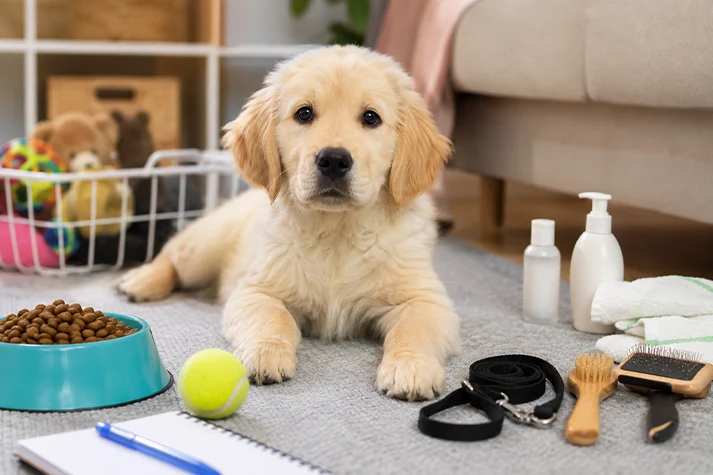
Having a dedicated travel kit ensures you're prepared for both routine needs and unexpected situations. Keep all essentials together in one easily accessible bag.
| Pet-Friendly Road Trip Planner Checklist | Health & Safety | Comfort Items |
| Food and treats | First-aid kit | Blanket or bed |
| Water and bowls | Medications | Favourite toys |
| Leash and harness | Vaccination records | Crate or carrier |
| Waste bags | Vet contact details | Towels |
If you've ever wondered can dogs drink smart water, plain, fresh drinking water is generally the safest and most suitable option during travel unless your veterinarian advises otherwise. Keeping your pet well-hydrated throughout the journey is far more important than choosing specialty bottled water.
Where Should You Stop During a Pet Road Trip?
Before embarking on any journey, it is crucial to plan your rest and refreshment stops accordingly. Make sure to check whether your chosen rest stop, hotel, or accommodation is pet-friendly, clean, and comfortable. Calling the property before arrival is always recommended to confirm their latest pet policy and avoid any unexpected issues during check-in.
While stopping for fuel or bathroom breaks, ensure your pet is securely leashed before opening any doors. New sights, sounds, and smells can easily overwhelm them in unfamiliar surroundings, so patience and reassurance go a long way.
If your trip includes overnight stays, remember to ask whether there are any pet fees, weight restrictions, or designated pet areas on the property. A little planning beforehand can make your stay much smoother.
How Can You Prepare for Unexpected Situations?
While an emergency is something no pet parent wants to think about, it's always better to be prepared. Before your journey, schedule a veterinary check-up to ensure your pet is healthy enough to travel. Make sure their vaccinations are up to date, their collar includes an identification tag, and their microchip information is linked to your current contact details.
It's also helpful to keep recent photographs of your pet and save the contact details of emergency veterinary clinics along your route. These small precautions can make a significant difference if the unexpected happens.
Whether you're planning a family vacation or domestic pet relocation, having all your pet's medical records and identification readily available will make travelling much easier.
Common Mistakes to Avoid During a Pet Road Trip
Even experienced pet parents can overlook small details that affect their pet's comfort and safety. Avoid these common mistakes:
- Feeding your pet immediately before starting a long drive.
- Allowing them to move freely inside the vehicle.
- Skipping regular water and bathroom breaks.
- Leaving pets unattended inside a parked car, even for a few minutes.
- Travelling without identification tags or vaccination records.
Final Thoughts
Travelling with your pet doesn't have to be stressful. With proper preparation, a safe travel setup, regular breaks, and a well-planned route, you can enjoy a comfortable and memorable journey together. Whether you're heading off for a holiday or a longer trip, putting your pet's comfort and safety first will make the experience better for everyone.
If you're planning a long-distance move or need professional guidance, speaking with an experienced pet relocation company can often make the process much smoother. At Carry My Pet, we're always happy to offer advice on travelling safely with pets. If you'd like guidance for your upcoming journey or need assistance with your pet's relocation, feel free to reach out to our team at 8908909020.
FREQUENTLY ASKED QUESTIONS &
Can cats travel long distances by car?
Yes. Cats can travel comfortably on long road trips if they're gradually introduced to car travel beforehand and remain inside a secure carrier throughout the journey. Regular breaks, fresh water, and a calm environment can help reduce travel-related stress.
How do you prepare a dog for a long road trip?
Start with short practice drives to help your dog get used to travelling by car. Make sure they're comfortable in a travel crate or seat harness, pack familiar toys and bedding, and schedule a veterinary check-up before long journeys if needed.
How often should pets take breaks during a road trip?
Most dogs should have a break every two to three hours to stretch, drink water, and relieve themselves. Regular stops help reduce stress, prevent stiffness, and keep them comfortable throughout the journey.
What should you pack for a pet road trip?
Pack food, water, bowls, treats, medications, a leash, waste bags, a first-aid kit, vaccination records, bedding, toys, and any other essentials your pet uses every day. Having everything organised before departure makes travelling much easier.
Is it safe for dogs to stick their heads out of the car window?
No. While many dogs enjoy it, sticking their heads out of moving vehicles can expose them to dust, flying debris, insects, and sudden impacts. It's much safer to keep the windows partially closed and secure your dog with a travel harness or crate.



AUTHOR’S BIO
Carry My Pet
Passionate pet enthusiasts and globetrotters, dedicated to easing furry friends' journeys worldwide. Penning tales of compassion at CarryMyPet, where every relocation is a tail-wagging adventure.