15 May
Complete Pet Health Checklist for 2026: Tips for a Healthy Pet
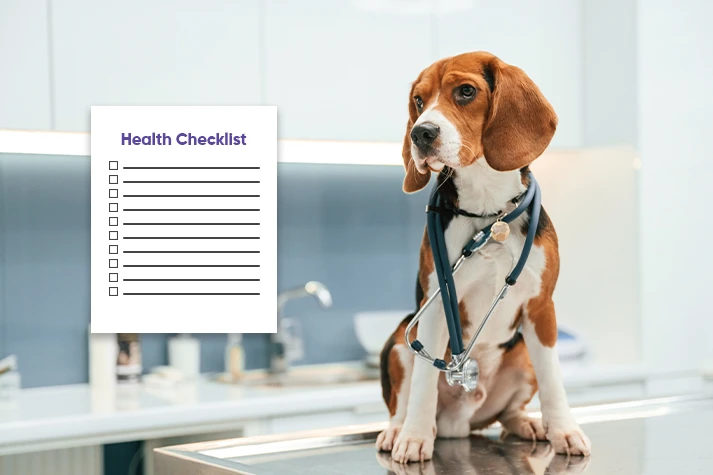
Pet health problems like obesity, dental disease, poor nutrition, and anxiety are becoming increasingly common in dogs and cats. Preventive pet care, regular vet checkups, proper hygiene, and daily exercise can help avoid many long-term health issues. This pet health checklist for 2026 covers the essential pet care tips every pet owner should follow to maintain a healthy pet routine year-round.
Here’s A Pet Hygiene Checklist
Why Dental Care Is Important for Pets
Your pet’s dental health plays a major role in their overall well-being. Dental issues can often indicate underlying health conditions and may become serious if left untreated. Since pets are good at hiding pain, it’s important to regularly check for swollen or bleeding gums, cracked teeth, excessive drooling, and bad breath, which can signal infection.
One of the most important tips for maintaining dogs' oral hygiene is brushing their teeth a few times a week to help prevent plaque buildup and gum disease in the long run. Dental chews, toys, and vet-approved treats can also support good oral hygiene between brushing sessions and professional cleanings.
Additionally, regular dental cleaning from a vet can remove tartar buildup and help prevent long-term complications. Pet dental care has become an increasingly important part of preventive pet healthcare in 2026, especially for indoor pets and senior animals.
Best Diet Tips for a Healthy Pet
Obesity remains one of the most common pet health concerns today. Unhealthy eating habits, excessive treats, and lack of exercise can lead to weight gain, increasing the risk of heart disease, diabetes, and joint problems.
To maintain a healthy diet for pets:
- Avoid feeding table scraps, as not all human food is safe for pets.
- Limit processed treats that are high in sugar and unhealthy fats.
- Choose high-quality pet food with balanced nutrients suited for your pet’s breed, age, and activity level.
- Always provide fresh water to prevent dehydration.
- Monitor food allergies or intolerances that may cause digestive issues or skin irritation.
Many pet owners are also shifting toward personalized pet nutrition plans in 2026 to support healthier lifestyles and long-term wellness.
Why Regular Vet Checkups Matter
Routine vet visits are essential for monitoring your pet’s overall health. Unlike humans, pets cannot communicate when they feel unwell, making annual pet checkups extremely important. The importance of routine vet visits lies in the early detection of health issues, helping pets receive timely treatment and preventive care before conditions become serious.
During regular vet visits, your veterinarian may:
- Check your pet’s weight, coat, teeth, and organs
- Ensure vaccinations are up to date
- Detect early signs of illness
- Screen for parasites, infections, and chronic conditions
- Recommend preventive pet care treatments
Yearly blood work and physical exams can help identify health issues before they become serious. Spaying and neutering may also provide long-term health benefits and reduce the risk of certain diseases and behavioral problems.
Vaccinations and Parasite Prevention
Vaccinations and parasite prevention are important parts of any pet wellness checklist. Fleas, ticks, worms, and mosquitoes can spread diseases that may seriously affect your pet’s health.
Staying updated with basic vaccinations for dogs and cats can help protect pets from several serious and preventable diseases.
To protect your pet:
- Follow your vet’s recommended vaccination schedule
- Use flea and tick prevention treatments regularly
- Keep up with deworming schedules
- Watch for signs of skin irritation, scratching, or digestive problems
Preventive healthcare is often more affordable and safer than treating advanced illnesses later.
Daily Exercise and Mental Stimulation for Pets
Regular exercise helps pets maintain a healthy weight, improve mobility, and reduce stress. A sedentary lifestyle can contribute to obesity, stiffness, and behavioral issues in both dogs and cats. The amount of exercise a dog needs daily may vary depending on breed, age, size, and energy levels, but consistent physical activity is essential for overall pet wellness.
Some great ways to keep your pet active include:
- Daily walks or runs
- Interactive toys and puzzle feeders
- Fetch and agility exercises
- Swimming for dogs that enjoy water
- Obedience training and indoor play sessions
Mental stimulation is equally important. Boredom and lack of activity can lead to destructive chewing, excessive barking, anxiety, and other behavioral problems. Interactive activities help support your pet’s emotional and mental well-being.
Pet Hygiene Tips for a Cleaner Environment
A clean environment supports both pet hygiene and overall wellness. Items your pet uses daily, such as bedding, toys, blankets, and food bowls, can collect bacteria and dirt if not cleaned regularly.
To maintain proper pet hygiene:
- Wash pet bedding and toys frequently
- Sanitize food and water bowls regularly
- Wipe your pet’s paws after outdoor walks
- Bathe your pet using pet-friendly shampoos
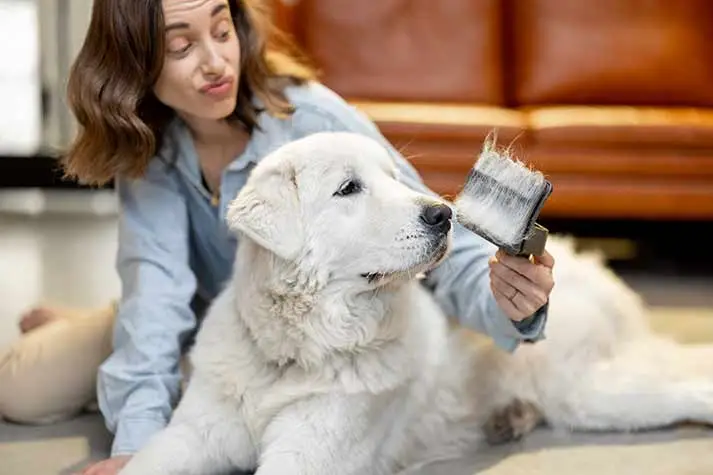
- Brush your pet’s coat to reduce shedding and matting
Professional grooming may also help long-haired breeds maintain healthy skin and fur.
Common Signs Your Pet May Need Medical Attention
Early detection can help prevent serious health complications. Contact your vet if you notice:
- Sudden weight loss or gain
- Loss of appetite
- Vomiting or diarrhea
- Excessive scratching or licking
- Low energy or unusual behavior
- Limping or difficulty walking
- Persistent bad breath
These symptoms may indicate underlying health issues that require medical attention.
Final Thoughts
Following a consistent pet health checklist can help prevent many common health problems in dogs and cats. Proper nutrition, regular exercise, mental stimulation, hygiene, vaccinations, and routine vet visits all play an important role in maintaining your pet’s well-being in 2026.
A proactive approach to pet wellness not only supports a longer, healthier life for your furry companion but also helps strengthen the bond you share with them.
FREQUENTLY ASKED QUESTIONS &
How often should pets visit the vet?
Most pets should visit the vet at least once a year for a routine health checkup. Senior pets or pets with medical conditions may require more frequent visits for preventive care and monitoring.
What are common signs of an unhealthy pet?
Common signs include bad breath, weight changes, low energy, vomiting, excessive scratching, appetite loss, and unusual behavior. Early treatment can help prevent more serious health problems.
What should be included in a pet health checklist?
A pet wellness checklist should include regular vet visits, vaccinations, dental care, proper nutrition, exercise, grooming, parasite prevention, and mental stimulation.
Why is preventive pet care important?
Preventive pet care helps detect health problems early, reduces long-term medical costs, and improves your pet’s quality of life through regular monitoring and wellness routines.
How can I improve my pet’s hygiene at home?
You can improve pet hygiene by regularly cleaning bedding and toys, brushing your pet’s coat, bathing them when needed, cleaning food bowls, and maintaining proper dental care.




AUTHOR’S BIO
Carry My Pet
Passionate pet enthusiasts and globetrotters, dedicated to easing furry friends' journeys worldwide. Penning tales of compassion at CarryMyPet, where every relocation is a tail-wagging adventure.