11 Feb
Best Dog Foods for 2026 by Breed and Age
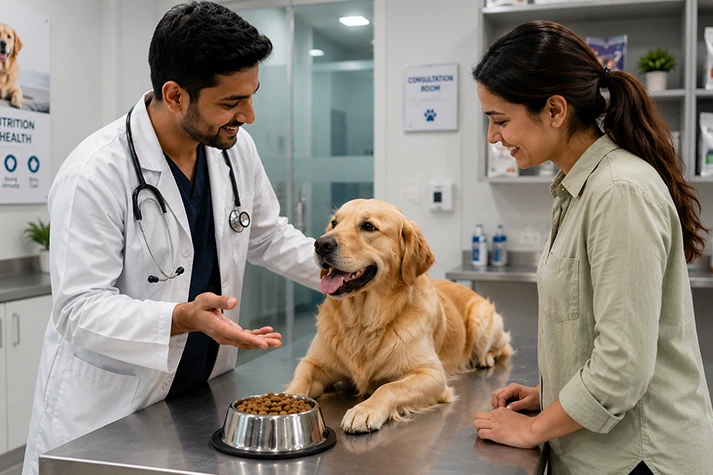
Finding the best dog food in India can feel overwhelming today. Between puppy formulas, breed-specific diets, grain-free options, and senior nutrition, there’s no shortage of choices, but not every food suits every dog.
A Labrador puppy, for example, has very different nutritional needs than a senior Shih Tzu or an active Indie dog. Age, breed size, digestion, activity level, and even chewing habits all play a role in choosing the right food.
In this guide, we’ve covered some of the best vet recommended dog foods in India, along with feeding advice by age and breed to help pet parents make more informed choices.
Best Dog Food by Age & Breed
Choosing the best dog food in India becomes much easier when you match your dog’s nutrition to their age, breed size, activity level, and overall health needs.
- Puppies: High protein puppy food with DHA for healthy growth and brain development
- Small Breeds: Calorie-rich food with smaller kibble for faster metabolism and easier chewing
- Large Breeds: Controlled-calorie formulas with mobility support for healthy bone and joint development
- Adult Dogs: Protein-balanced everyday nutrition to maintain healthy weight and energy levels
- Senior Dogs: Easy-to-digest food with joint and heart support for healthy aging
Top 10 Best Dog Foods in India for 2026
- Royal Canin Maxi Puppy
- Farmina N&D Pumpkin
- Acana Adult Dog
- Pedigree Pro Expert Nutrition
- Orijen Original
- Arden Grange Adult Dog Food
- Drools Focus Super Premium
- Taste of the Wild High Prairie
- Hill’s Science Diet Adult
- Royal Canin Mini Adult
Comparing the Best Dog Food Brands in India
| Brand | Best For | Life Stage | Grain-Free | Approx. Price Range (INR) |
| Royal Canin | Breed-tailored nutrition | Puppy/Adult/Senior | No | INR 900 to 7,500 |
| Farmina N&D | Sensitive digestion | All stages | Yes | INR 1,200 to 8,500 |
| Acana | Protein-rich diets | Adult | Yes | INR 2,500 to 10,000 |
| Hill’s Science Diet | Everyday maintenance nutrition | Adult/Senior | No | INR 1,800 to 7,000 |
| Drools Focus | Budget premium nutrition | Puppy/Adult | No | INR 600 to 3,500 |
Why Age and Breed Matter in Dog Food
Dogs’ nutritional needs change throughout their lives. A growing puppy needs calorie-dense meals with higher protein and fat, while adult dogs usually do better on balanced maintenance diets that support healthy weight and energy levels.
Breed size matters too. Small breeds burn energy faster and often prefer smaller kibble, while large and giant breeds grow for a longer period and may benefit from formulas designed to support slower, steadier growth.
This is why many vets and canine nutritionists now recommend choosing food based not only on age, but also breed size, lifestyle, and activity level.
Best Puppy Food for Healthy Growth in 2026
Because puppies grow rapidly, they need food designed to support healthy development during the first year of life.
Good puppy food usually includes:
- Higher protein levels for muscle growth
- DHA for brain and vision development
- Balanced calcium and phosphorus for healthy bones
- Easily digestible ingredients for sensitive stomachs
Feeding patterns by puppy age:
- 8 to 12 weeks: Around 3 to 4 meals per day
- 3 to 6 months: 3 meals per day
- 6 to 12 months: 2 to 3 meals per day depending on breed size
Breed considerations:
- Small breeds often transition to adult food around 9 to 12 months
- Medium breeds usually transition between 12 to 15 months
- Large breeds may continue growing until 18 to 24 months
Switching foods too early can affect healthy growth, while staying on puppy food for too long may lead to excess weight gain once growth slows down.
Best Adult Dog Food for Energy and Weight Control
Once dogs reach adulthood, the focus shifts from rapid growth to maintaining healthy weight, muscle condition, coat quality, and energy levels. Most healthy adult dogs do well on two meals a day along with regular exercise and portion control.
Breed considerations:
- Small breeds generally need more calorie-dense meals because of their faster metabolism
- Larger dogs may benefit from formulas containing glucosamine and chondroitin for long-term mobility support
- Choosing food based on your dog’s activity level also matters. Highly active dogs often need more protein and calories than indoor or low-activity dogs.
Best Senior Dog Food for Joint and Digestive Support
As dogs age, their metabolism naturally slows down and they may become less active. Older dogs can also develop joint stiffness, digestive sensitivity, or dental issues.
Good senior formulas often focus on:
- Controlled calorie intake
- Higher fiber for digestion
- Ingredients that support mobility and cartilage health
- Heart and cognitive support nutrients
Good senior diets are not just about reducing calories. The goal is to help older dogs stay comfortable, active, and maintain a healthy body condition for as long as possible.
Why Breed Specific Dog Food Matters
Breed-focused dog food is designed around differences in body size, jaw shape, digestion, and energy requirements.
For example:
- Small breeds usually prefer smaller kibble and calorie-rich meals
- Medium breeds often need balanced nutrition for energy and weight maintenance
- Large and giant breeds benefit from controlled-calorie diets that support bones and joints
Some formulas even adjust kibble shape for easier chewing depending on breed size, which can genuinely help picky eaters or dogs with dental sensitivity.
Dog Food by Age Chart: A Quick Feeding Guide
| Age | Feeding Frequency | What to Feed |
| 8 to 12 weeks | 3 to 4 meals per day | High protein puppy food |
| 3 to 6 months | 3 meals per day | Puppy food, breed appropriate |
| 6 to 12 months | 2 to 3 meals per day | Puppy food (transition timing varies) |
| Adult (1 to 7 years) | 2 meals per day | Balanced adult food |
| Senior (7 years or above) | 1 to 2 smaller meals | Senior food with mobility support |
Feeding Tips That Matter
The right food depends on your dog’s breed size, activity level, digestion, and overall health. A few practical things worth checking before choosing any dog food:
- Look for real meat listed among the first ingredients
- Choose food that meets AAFCO or FEDIAF nutritional guidelines
- Monitor your dog’s body condition monthly instead of relying only on feeding charts
- Adjust portions during summer, reduced activity, or after neutering/spaying
If your dog has allergies, recurring digestive issues, or sudden weight changes, it’s always best to speak with your vet before changing diets.
Conclusion
With so many options on the market, researching the best dog food brands 2026 can help you narrow choices to companies that focus on quality ingredients, transparent sourcing, and formulas tailored by age and breed size. Always look for brands that meet AAFCO standards and have strong veterinary or nutritionist backing.
If you’re planning a move or extended trip, it’s also important to keep your dog’s diet consistent. A professional pet travel service or pet relocation service can help ensure your dog arrives safely while maintaining feeding routines and minimizing stress that can affect appetite and digestion.
FREQUENTLY ASKED QUESTIONS &
When should I switch my puppy to adult dog food?
Most small breeds transition around 9 to 12 months, while medium and large breeds may transition later depending on their growth rate and maturity.
Is breed specific dog food necessary?
Not always, but size-specific formulas can help with calorie control, kibble size, digestion, and long-term weight management.
Can I mix dry and wet food for my dog?
Yes. Many dog owners combine both for added hydration and taste. Just make sure the total calorie intake remains balanced.
How much should I feed my adult dog?
Feeding amounts vary based on weight, activity level, age, metabolism, and calorie content of the food itself.
What’s the safest way to switch dog foods?
Transition gradually over 7 to 10 days by slowly increasing the new food while reducing the old one to help avoid stomach upset.




AUTHOR’S BIO
Carry My Pet
Passionate pet enthusiasts and globetrotters, dedicated to easing furry friends' journeys worldwide. Penning tales of compassion at CarryMyPet, where every relocation is a tail-wagging adventure.