13 Dec
5 Common Myths About Pets Quarantine
Animal quarantine is a temporary period during which pets may be monitored after entering a country to help prevent the spread of infectious diseases and ensure compliance with import requirements.
For many pet parents, the thought of pet quarantine can be intimidating. It's easy to imagine your furry companion being separated from you for weeks in a strict facility with limited care or interaction. These concerns often stem from misinformation, outdated assumptions, and stories that don't always reflect how modern quarantine systems work.
While quarantine remains an important part of pet import procedures in certain countries, many misconceptions surround the process. Understanding what is fact and what is fiction can help you prepare for an international move with greater confidence and less stress.
5 Common Myths About Animal Quarantine
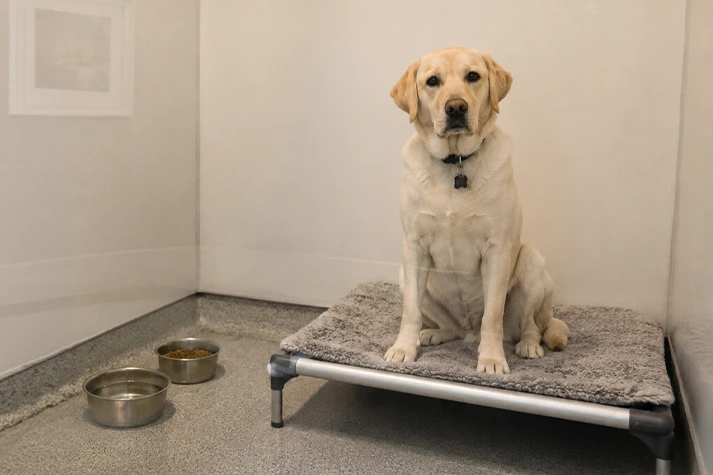
Myth 1: Pet Quarantine Facilities Are Barren and Prison-Like
This could not be further from the truth. An animal quarantine facility is designed to protect local animal populations and prevent the spread of diseases into a country. Because of the important role these facilities play, they are operated by trained professionals who specialise in animal health and welfare.
While quarantine facilities may not resemble luxury pet resorts, they are generally clean, secure, and designed with the wellbeing of animals in mind. Pets receive regular feeding, monitoring, and care throughout their stay.
Many pet parents are surprised to learn that some countries even allow owners to visit their pets during quarantine, although this varies depending on local regulations. Rather than viewing quarantine as a punishment, it is more accurate to think of it as a temporary safety measure that helps protect both animals and people.
Myth 2: Every Country Requires Pet Quarantine
This is one of the most common misconceptions surrounding pet travel.
While some countries maintain strict quarantine policies, many others allow pets to enter without quarantine if all import requirements have been completed correctly before travel.
Requirements often include:
- Microchipping
- Rabies vaccinations
- Veterinary health certificates
- Import permits
- Additional blood tests where required
Countries such as Australia and New Zealand are known for their strict biosecurity measures and may require quarantine under certain circumstances. On the other hand, many destinations allow pets to avoid quarantine entirely when all documentation and health requirements have been met.
This is why researching your destination country's pet import regulations well in advance is so important.
Myth 3: Pets Undergo Major Changes During Quarantine
Many pet owners worry that quarantine will permanently affect their pet's personality, behaviour, or relationship with them. Fortunately, this is rarely the case.
Some pets may experience temporary stress or mild separation anxiety during quarantine, particularly if they are not accustomed to spending time away from their owners. However, most pets adapt surprisingly well and return to their normal routines shortly after being reunited with their families.
A quarantine stay does not fundamentally change a pet's temperament. In most cases, the experience is far less dramatic than many owners imagine.
Myth 4: Pets Cannot Receive Their Food or Medication During Quarantine
Another common concern is that pets will not receive the care they need while staying in a quarantine facility.
In reality, most facilities are prepared to accommodate dietary requirements and prescribed medications. Pet owners are typically asked to provide details about their pet's routine, medical history, and any ongoing treatments before the quarantine period begins.
If your pet follows a specialised diet or requires regular medication, it is important to communicate these requirements clearly in advance. Quarantine staff are generally experienced in managing such needs and will follow approved instructions wherever possible.
As with most aspects of quarantine, specific policies may vary between facilities and countries.
Myth 5: Pet Quarantine Rules Can Be Avoided Through Special Connections or Extra Payments
This is a myth that can lead to serious problems.
Quarantine requirements are established by government authorities to protect public health, local wildlife, and domestic animal populations. These regulations are not designed to inconvenience pet owners; they exist to prevent the spread of potentially dangerous diseases.
Attempting to bypass quarantine through inaccurate paperwork, false declarations, or unofficial channels can result in denied entry, fines, delays, or additional restrictions on your pet's travel.
The safest approach is always to follow the official import process and ensure all documentation is accurate and complete.
Why Planning Ahead Matters
One of the easiest ways to reduce stress during an international move is to start planning early.
Many quarantine-related issues arise because pet owners are unaware of vaccination timelines, permit requirements, testing procedures, or documentation deadlines. Understanding these requirements in advance can significantly improve the relocation experience for both you and your pet.
Whether you're moving across continents or planning a long-distance relocation, preparation is often the key to avoiding unexpected complications during international pet relocation.
Working with an experienced pet relocation company can also help ensure that all travel requirements, health documentation, and country-specific regulations are handled correctly before departure.
Countries That Commonly Have Pet Quarantine Requirements
Quarantine policies vary widely around the world and are often influenced by a country's biosecurity and disease-control measures.
Some destinations are known for having stricter import requirements than others:
- Australia: Quarantine is often required for imported pets, depending on the pet’s country of origin and whether all import conditions are met.
- New Zealand: Quarantine may be required for imported pets, especially if they do not qualify for an approved import pathway.
- Singapore: Quarantine depends on the pet’s country of origin and compliance with Singapore’s import requirements.
- Japan: Quarantine may apply if the pet does not fully meet Japan’s import requirements before arrival.
- United Kingdom: Quarantine is usually not required if all entry requirements are satisfied.
Because regulations can change over time, pet owners should always verify the latest requirements before making travel arrangements.
Final Thoughts
Pet quarantine often sounds far more intimidating than it actually is. While it remains an important part of the import process in certain countries, many of the fears surrounding quarantine are based on myths rather than reality.
Understanding how quarantine works, researching destination-specific requirements, and preparing the necessary documentation in advance can make the process significantly smoother. With proper planning and the right guidance, pet parents can navigate quarantine requirements confidently and focus on helping their pets settle into their new home.
FREQUENTLY ASKED QUESTIONS &
What is pet quarantine?
Animal quarantine is a protective measure taken to safeguard the ecology of an area. Every country prescribes their own varying lengths of animal quarantine; this is done to prevent the spread of any zoonotic diseases an animal may be infected with.
How long does pet quarantine last?
The duration depends on the destination country, your pet's country of origin, vaccination history, and whether all import requirements have been met. Some pets may not require quarantine at all, while others may be subject to a designated quarantine period.
Do dogs need quarantine when travelling internationally?
Whether dog quarantine is required depends on the destination country's regulations and the documentation provided before travel. Many countries allow compliant pets to enter without quarantine.
Can pets avoid quarantine when moving abroad?
In many cases, yes. Pets that meet all vaccination, testing, microchipping, and documentation requirements may be able to enter certain countries without undergoing quarantine.
Is pet quarantine safe for pets?
Yes. Modern quarantine facilities are designed to maintain animal welfare while supporting disease-control measures. Pets typically receive regular care, feeding, monitoring, and veterinary attention when required.





AUTHOR’S BIO
Carry My Pet
Passionate pet enthusiasts and globetrotters, dedicated to easing furry friends' journeys worldwide. Penning tales of compassion at CarryMyPet, where every relocation is a tail-wagging adventure.